
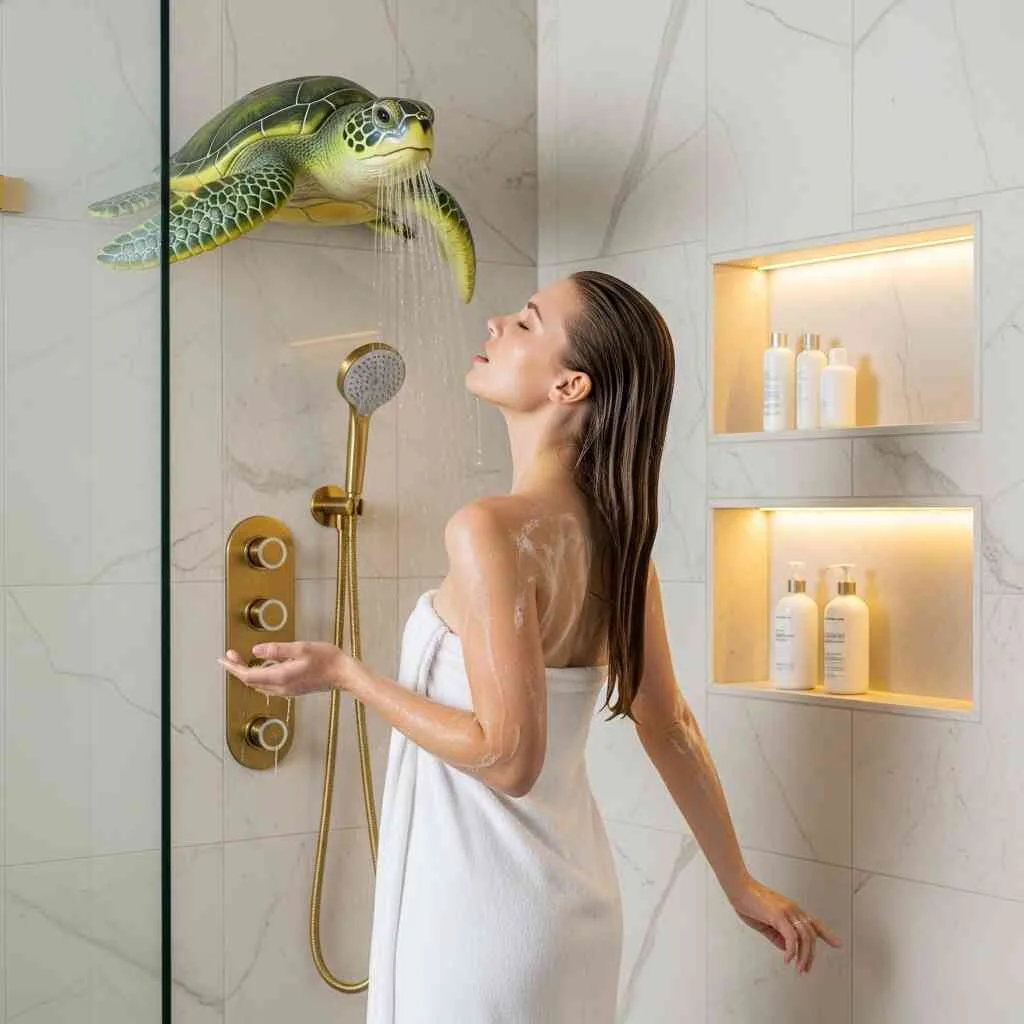
Why turtle shower heads matter
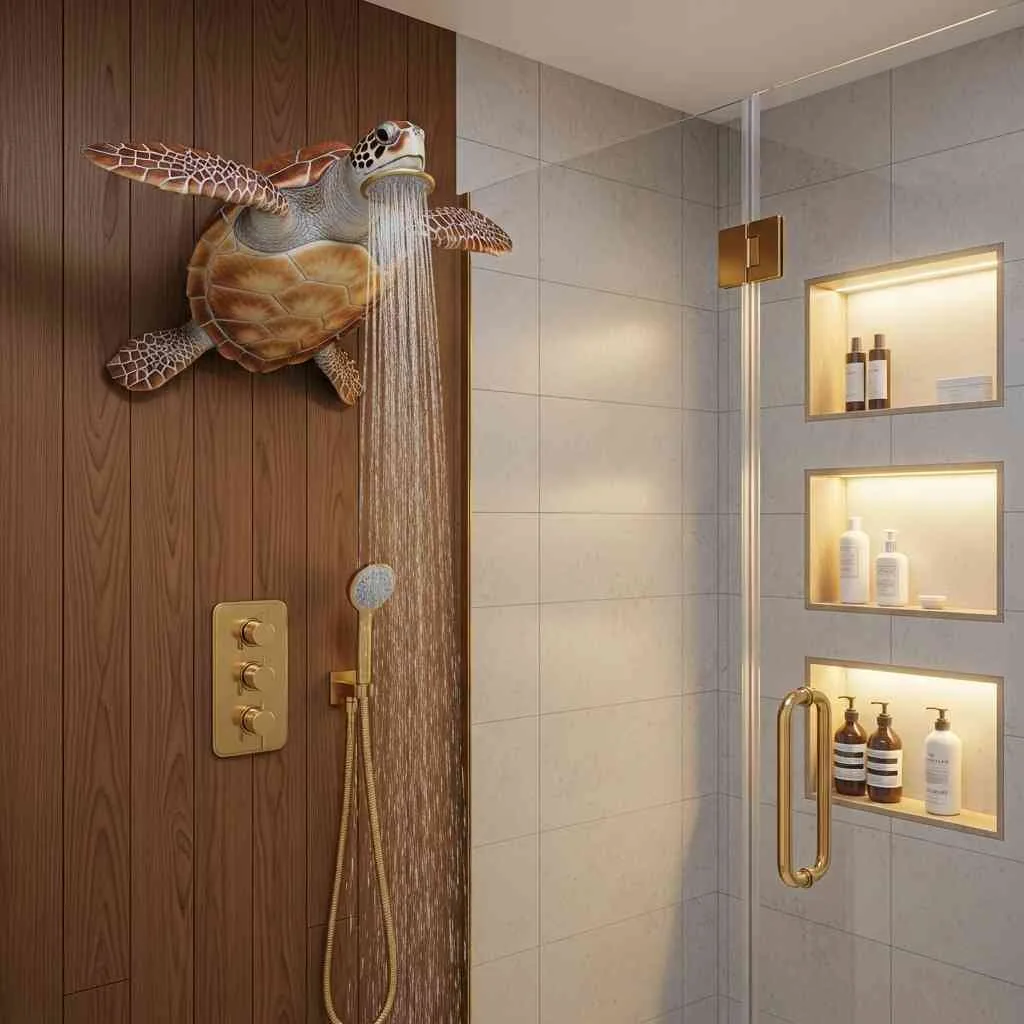
Imagine stepping into a bathroom that feels like a small coastal retreat: soft sea-salt air, the muted green of seagrass, and a gentle reminder of the ocean’s slow, steady rhythm. Now imagine that feeling starting the moment the water falls from the shower head — not a cold, industrial spray but a playful, sculpted cascade from a turtle-shaped nozzle that blends whimsy with function. Turtle shower heads are more than novelty items; they’re a design statement and a way to reconnect a utilitarian daily ritual with the calm and wonder of the sea.
This article explores the world of turtle shower heads in depth: their design inspiration, practical features, installation and maintenance, styling tips, and how they can transform bathrooms for homes, vacation properties, and kids’ spaces alike. Whether you’re a design-forward homeowner, a parent wanting to make bathtime more fun, or a hospitality manager aiming to add unique character to a rental, this guide will help you understand why turtle shower heads are popping up in bathrooms and how to choose the right one for your space.
We’ll look at materials and construction, water flow characteristics and efficiency, hygiene and cleaning, eco-friendly options, and creative ways to incorporate the oceanic charm of a turtle motif into your overall bathroom design. Along the way, you’ll find practical buying and installation tips, plus styling inspiration that helps you make the most of this playful — yet surprisingly versatile — bathroom accessory.
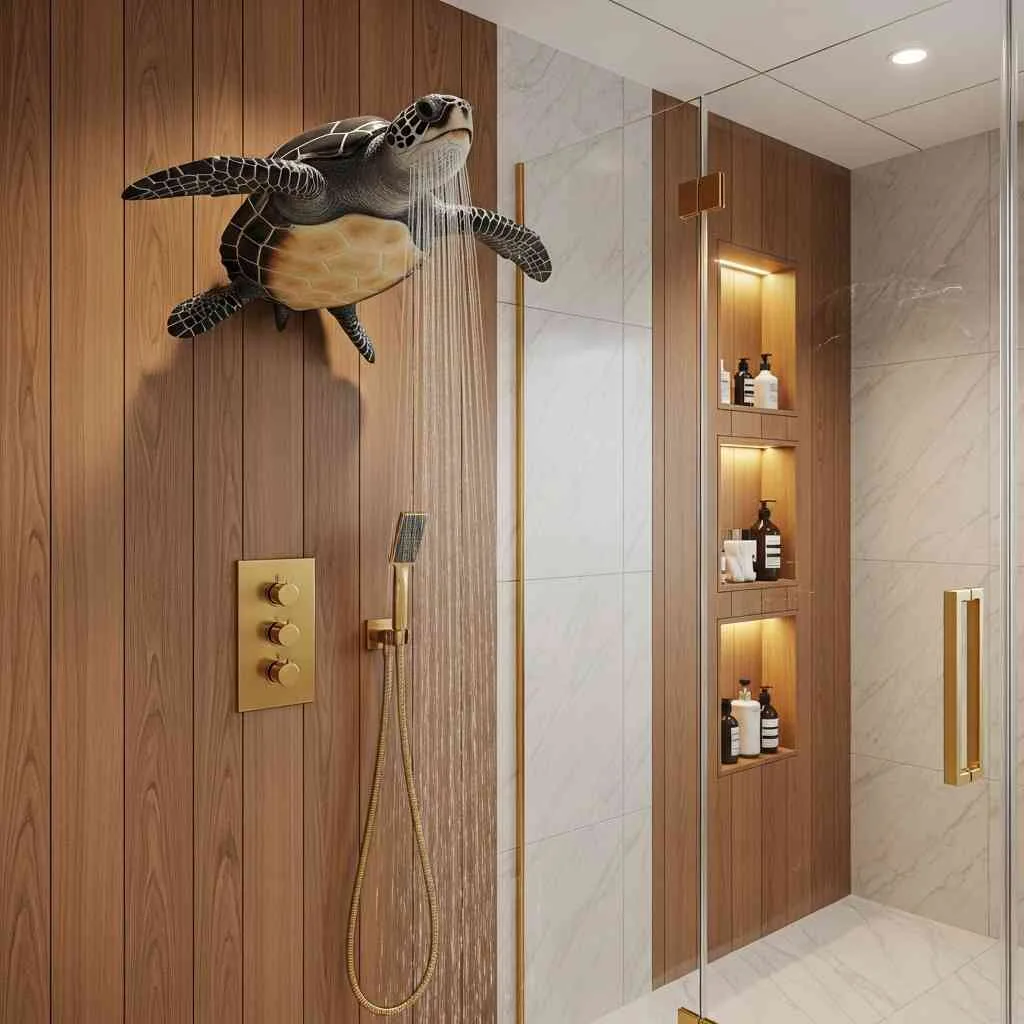
The design story: from ocean icon to bathroom accent
Why turtles make sense as a shower head motif
Turtles are quietly powerful symbols: longevity, patience, protection, and a deep connection to shorelines and open seas. In interior design, animals that carry symbolic weight often make the most compelling decorative elements because they conjure narrative and mood. A turtle shower head brings that story into an everyday object. It’s not just a shape — it’s an idea: slow down, breathe, and savor small rituals.
Designers are attracted to the turtle motif for other practical reasons too. The shell’s rounded geometry naturally lends itself to a shower-head silhouette. Shell segments can be translated into textured surfaces that shelter multiple spray outlets, producing a pleasing multi-stream pattern. The turtle’s flippers suggest motion and direction, making it intuitive to imagine how water will fall.
Styles and silhouettes
Turtle shower heads come in a surprising variety of styles:
- Realistic sculptural — finely detailed turtles that look carved or molded, often used as statement pieces in high-end or themed bathrooms.
- Cartoonish and whimsical — exaggerated features, big eyes, and bright colors that appeal to children’s bathrooms.
- Minimalist outlines — subtle, abstract shell shapes rendered in metal or matte finishes for modern coastal interiors.
- Vintage-inspired — patina brass or aged copper with an antique feel, fitting for eclectic or cottage-style bathrooms.
- Convertible designs — turtle-shaped outer shells that conceal modular spray plates or LED elements for mood lighting.
Each style sets a different tone. A realistic bronze turtle can feel like a museum-quality object; a silicone candy-green turtle turns bathtime into play. Understand the mood you want before choosing a model.
Materials & construction: durability meets aesthetics
Common materials and their trade-offs
Turtle shower heads are manufactured using a range of materials, each with pros and cons:
- Stainless steel — durable, corrosion-resistant, and suited to modern bathrooms. Stainless designs often have thin-profile shells and a refined spray pattern.
- Brass — heavier, more malleable for detailed sculpting, and often used for vintage or luxury finishes. Brass resists corrosion well when properly plated.
- Plastic (ABS/polypropylene) — lightweight, inexpensive, and easy to color. High-quality ABS can be surprisingly durable and is commonly used in playful, kid-focused designs.
- Silicone nozzles — often used for spray outlets to reduce mineral buildup; flexible silicone nipples can be easily cleaned by rubbing to dislodge scale.
- Ceramic or resin composites — used in artistic, one-off pieces where the turtle is more sculpture than functional plumbing.
When choosing material, think about long-term exposure to water and cleaning chemicals. Metals like stainless steel and brass will often outlast plastic, but a high-quality plastic turtle head with good internal components can still be a reliable and budget-friendly option.
Internal engineering: what really matters
Beyond the turtle’s shell, performance comes from internal engineering:
- Spray plate design — determines spray pattern (rain, massage, mist). Look for evenly spaced nozzles and a spray plate that resists clogging.
- Flow regulator — many regions require a maximum flow rate (gallons or liters per minute). A built-in regulator can control water usage.
- Anti-clogging technology — silicone nozzles or self-cleaning features extend life in hard-water areas.
- Weight and mounting hardware — heavier brass turtle heads require sturdy fittings and possibly support brackets; lightweight plastics are easier to install on existing shower arms.
- Finish and plating — chrome, brushed nickel, oil-rubbed bronze, and powder coatings not only affect look but protect underlying materials.
Careful attention to these details ensures a turtle shower head is both charming and practical.
Water performance & efficiency: beauty with responsibility
Flow characteristics — what to expect
A turtle-shaped shower head can deliver a range of water experiences, from a drizzly, spa-like rain to a firmer massage spray. The shell’s geometry often allows for multiple spray zones — for example, a broad rain pattern from the central shell and targeted jets around the rim. High-quality units balance aesthetics with consistent pressure and coverage.
If you live in an area with low water pressure, look for models specifically designed to perform well at lower pressures or consider adding a pressure-boosting pump. Conversely, in high-pressure systems, adjustable settings help avoid an unpleasantly forceful stream from a decorative head.
Water-saving options
Conserving water doesn’t mean sacrificing comfort. Many turtle shower heads incorporate water-saving technologies:
- Aerators — introduce air into the stream to maintain perceived pressure while reducing actual water volume.
- Low-flow regulators — cap flow to required limits (e.g., 1.8–2.5 GPM or local equivalents) without creating a weak spray.
- Pause settings — let you temporarily reduce flow for shampooing or soaping without affecting temperature balance.
- Smart valves — some advanced systems let you set maximum temperature and flow digitally, minimizing waste.
If sustainability matters to you (and it should), prioritize models with clear flow-rate specifications and certifications, such as WaterSense or equivalent regional programs.
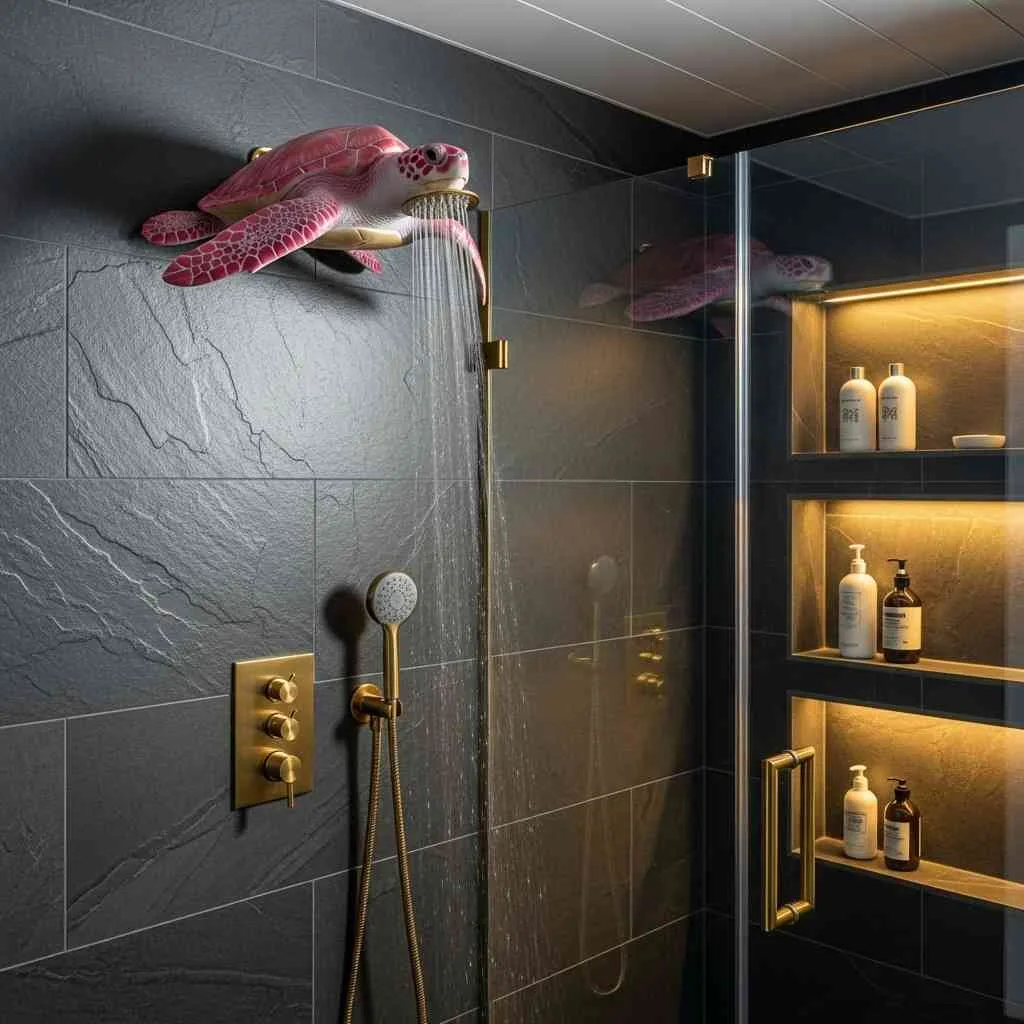
Installation & compatibility: making sure your turtle fits
Types of installation
Turtle shower heads can be installed in several ways:
- Direct mount on a standard shower arm — the simplest method; the turtle head screws onto a 1/2-inch threaded shower arm like a typical shower head.
- Ceiling-mount — a more dramatic, spa-like installation for overhead rainfall effects; ensure plumbing lines support ceiling-mounted fixtures.
- Handheld hybrid — some turtle designs pair a decorative turtle head with a detachable handheld wand for flexible use.
- Wall-mounted with extension arm — allows placement farther from the wall to center the shower spray in larger stalls.
Most home installations will use a standard threaded arm. Confirm thread size and connection type before buying. If your plumbing is older or nonstandard, you may need an adapter.
Things to check before purchase
- Mounting compatibility — does your current arm support the weight and style of the turtle head?
- Shower enclosure size — large overhead turtle heads need space for an even spread; a tiny stall may not benefit.
- Water pressure — check product specs for minimum working pressure.
- Access for maintenance — can you reach nozzles and internals for descaling and cleaning?
- Local plumbing codes — some locales restrict maximum flow rates or require licensed installers for ceiling mounts.
Installation is often straightforward, but for ceiling or heavy-metal installations, hiring a plumber avoids headaches and ensures secure mounting.
Hygiene, cleaning, and maintenance
Keeping your turtle sparkling
Bathrooms are humid environments, and mineral deposits, soap scum, and mildew can accumulate. Caring for a turtle shower head is mostly routine:
- Regular rinsing — after every few showers, run hot water through the head to flush soap residue.
- Wiping down — for decorative finishes, use a soft cloth; avoid abrasive cleaners that strip plating.
- Descaling — soak removable spray plates or the entire head in a vinegar solution (or descaling agent) to dissolve calcium and lime. For non-removable heads, fill a plastic bag with vinegar, tie it around the head, and let it sit for several hours.
- Nozzle maintenance — silicone nozzles often let you rub away mineral deposits with a finger.
- Internal filter clean — if your model has a mesh filter, clean it periodically to prevent clogging.
For kids’ bathrooms, where a turtle head may serve both function and play, wipe toys and surfaces more frequently to prevent soap film build-up.
Troubleshooting common issues
- Uneven spray — often caused by clogged nozzles; soak or rub silicone nipples.
- Dripping after shutdown — trapped water in the shell or residual pressure; usually harmless but check internal seals if persistent.
- Corrosion or finish wear — abrasive cleaners or harsh water can strip plating; replace or replate if necessary.
- Low flow — inspect flow restrictor and clean any mesh screens; test water pressure separately to isolate cause.
A little preventative maintenance keeps your turtle charming and functional for years.
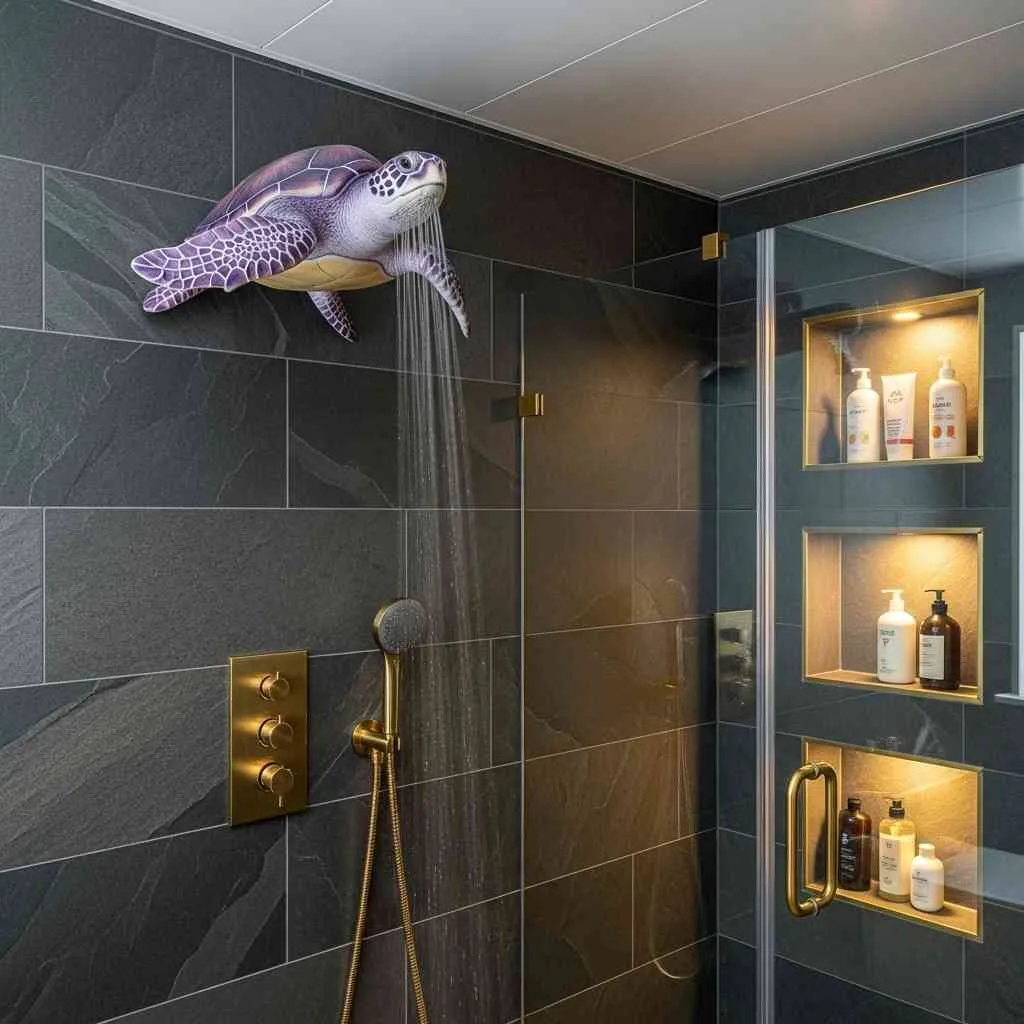
Styling & bathroom design: integrating ocean charm
Creating a cohesive coastal theme
A turtle shower head is a visual anchor. To integrate it without making the space feel kitschy, build a palette and material story around it:
- Color palette — seafoam greens, warm sand beiges, and driftwood grays complement turtle greens and earthy finishes.
- Materials — natural stone tiles, wood-look porcelain, and matte brass fixtures evoke shoreline textures.
- Accents — shell-shaped soap dishes, woven baskets, and seagrass bath mats amplify the seaside mood.
- Artwork — framed vintage marine prints or subtle turtle silhouettes on walls create continuity without heavy-handedness.
Less is often more: select one or two oceanic accents and blend them with neutral elements to avoid a theme-park aesthetic.
Kid-friendly bathrooms
For children, turtle shower heads are an excellent way to make bathing playful and reduce resistance. Design tips:
- Bright colors and soft edges — choose silicone or plastic turtles with gentle forms.
- Safety-first finishes — non-slip flooring, rounded shelf corners, and temperature-limiting valves protect tiny bathers.
- Interactive elements — water toys, colorful shampoo bottles, and themed towels make the ritual joyful.
- Height and reach — consider wall-mounted handheld options so kids can help wash or enjoy adjustable spray settings.
A child-focused turtle head should balance fun with safety and hygiene.
Spa and hospitality spaces
Hotels, B&Bs, and vacation rentals can use turtle shower heads to add distinctive character:
- Signature suites — create a “coastal suite” with a turtle head as the focal point.
- Seasonal rentals — beach houses benefit from a playful motif that enhances guest experience.
- Branding opportunities — pair turtle motifs with subtle branding or local conservation messaging to create a memorable stay.
In commercial settings, choose robust, easy-to-clean models and ensure compliance with local plumbing and water-efficiency standards.
Sustainability & eco-friendly options
Eco-conscious materials and production
Sustainability matters. Look for turtle shower heads that prioritize:
- Recyclable materials — stainless steel and brass are easier to recycle than composite plastics.
- Low-VOC finishes — powder coatings and water-based finishes reduce chemical emissions.
- Responsible manufacturing — brands that disclose supply-chain practices and material sourcing score higher on ethical considerations.
If conservation is a core value, seek brands with transparent environmental commitments.
Water conservation and energy savings
Water saved in the shower reduces both water and the energy used to heat it. To maximize sustainability with a turtle shower head:
- Choose models with low-flow ratings and aeration technology.
- Install a thermostatic or pressure-balancing valve to avoid wasting water while waiting for the right temperature.
- Consider smart plumbing accessories that track usage or limit shower length for rentals or public spaces.
Small changes to shower hardware add up to significant savings over time.
DIY customization & personalization
Painting, decals, and re-shelling
One of the joys of a themed accessory is personalization. Ways to customize a turtle shower head:
- Non-invasive painting — use water-resistant, non-toxic enamel paint to add striping or shell patterns (test on a hidden surface first).
- Decals and stickers — waterproof decals allow frequent theme updates without permanent alterations.
- Interchangeable shell covers — some creative makers offer swappable shells that let you change color or texture seasonally.
- Soft add-ons — attachable silicone flippers, suction cup eyes, or light diffusers can increase visual interest for kids.
When customizing, avoid interfering with nozzles or internal seals. Cosmetic changes should be external only.
Custom fabrication and artisan pieces
For those seeking a one-of-a-kind statement, artisans and metalworkers can create bespoke turtle shower heads. Collaborating with a fabricator lets you specify:
- Exact shell dimensions and spray patterns
- Choice of patina, brass, or hand-hammered textures
- Integrated lighting (LED backlights) or mixed materials like wood and metal
Custom pieces are more expensive but can become heirloom fixtures that elevate a bathroom from functional to artful.
Buying guide: what to look for in a turtle shower head
Key features and specifications
When shopping, prioritize these attributes:
- Flow rate (GPM/LPM) — check local regulations and aim for efficient models with satisfying pressure.
- Material & finish — metal for longevity; high-grade plastic for affordability and color variety.
- Nozzle type — silicone for easy descaling; multiple settings for versatility.
- Mounting compatibility — thread size, arm style, and weight considerations.
- Warranty and service — look for clear warranty terms and easy access to replacement parts.
- Certifications — water-efficiency labels or quality marks indicate reliability.
Read reviews focusing on durability and real-world performance rather than aesthetics alone.
Price ranges and budget planning
Turtle shower heads cover a broad price spectrum:
- Budget-friendly ($) — simple plastic or ABS models with basic spray; ideal for kids’ bathrooms or quick makeovers.
- Mid-range ($$) — stainless and brass-plated models with multiple spray settings and better anti-clog features.
- High-end ($$$) — artisan or luxury metal designs, custom finishes, and integrated features like LEDs or thermostatic controls.
Factor in installation costs for heavier units and the potential long-term savings of water-efficient models.
Practical tips for installation & long-term enjoyment
Quick installation checklist
- Measure existing shower arm thread and distance to wall/ceiling.
- Confirm water pressure is within the turtle head’s operating range.
- Turn off supply or ensure system isolation if doing any complex plumbing.
- Use plumber’s tape on threaded connections to prevent leaks.
- For heavy units, secure the arm or use a support bracket.
- Run hot water initially to flush debris and test spray patterns.
If in doubt, consult a licensed plumber — especially for ceiling mounts or any work requiring access to the home’s plumbing stacks.
Long-term care plan
- Schedule a light cleaning every 2–4 weeks.
- Descale once every 3–6 months in hard-water areas.
- Inspect seals and washers annually; replace before leaks start.
- Keep spare parts (gaskets, flow regulator) handy if the model uses proprietary components.
A small care routine ensures your turtle head remains charming and functional for years.
Use cases & inspirational setups
For families and kids
A turtle shower head makes bath time playful, combats fear of water, and helps establish positive rituals. Combine with themed towels, storybooks, and bath toys for a cohesive, joy-filled experience.
For beach houses and coastal escapes
Turtle shower heads fit naturally in seaside rentals, reinforcing the locale’s identity. Choose robust, easy-to-clean models to handle high turnover and humid conditions.
For boutique hospitality
Independent hotels and B&Bs can differentiate suites with thematic bathrooms. A tasteful turtle head paired with curated amenities can become a memorable guest experience and social-media moment.
For spa-like bathrooms
Opt for a soft, minimal turtle silhouette in a brushed finish to suggest calmness and nature without overt kitsch. Combine with rainfall settings and diffused lighting for a restful retreat.

Conclusion — more than decoration, a daily reminder of the sea
Turtle shower heads are a delightful fusion of design, function, and storytelling. They remind us that even the smallest fixtures can carry mood and meaning. Whether you’re installing a cheerful turtle head to coax kids into the tub, adding a sculptural bronze piece as a focal point in a coastal master bath, or outfitting a beach rental with playful character, the turtle motif offers versatility and charm.
Beyond their aesthetic appeal, the right turtle shower head can be efficient, durable, and easy to maintain. By considering materials, flow rates, installation needs, and sustainability, you can select a model that delivers both the sensory pleasure of a sea-inspired shower and the practical performance you depend on every day.
In the end, bringing ocean charm to your bathroom doesn’t require a complete remodel. A turtle shower head is a relatively simple, high-impact upgrade that reconnects routine with rhythm, invites a pause in the day, and creates a small moment of delight — one gentle cascade at a time. Whether you cherish the symbolism of a turtle’s slow, steady grace or simply love the idea of a seaside atmosphere at home, this whimsical fixture offers a meaningful, functional, and beautiful way to transform your daily shower into something more.