
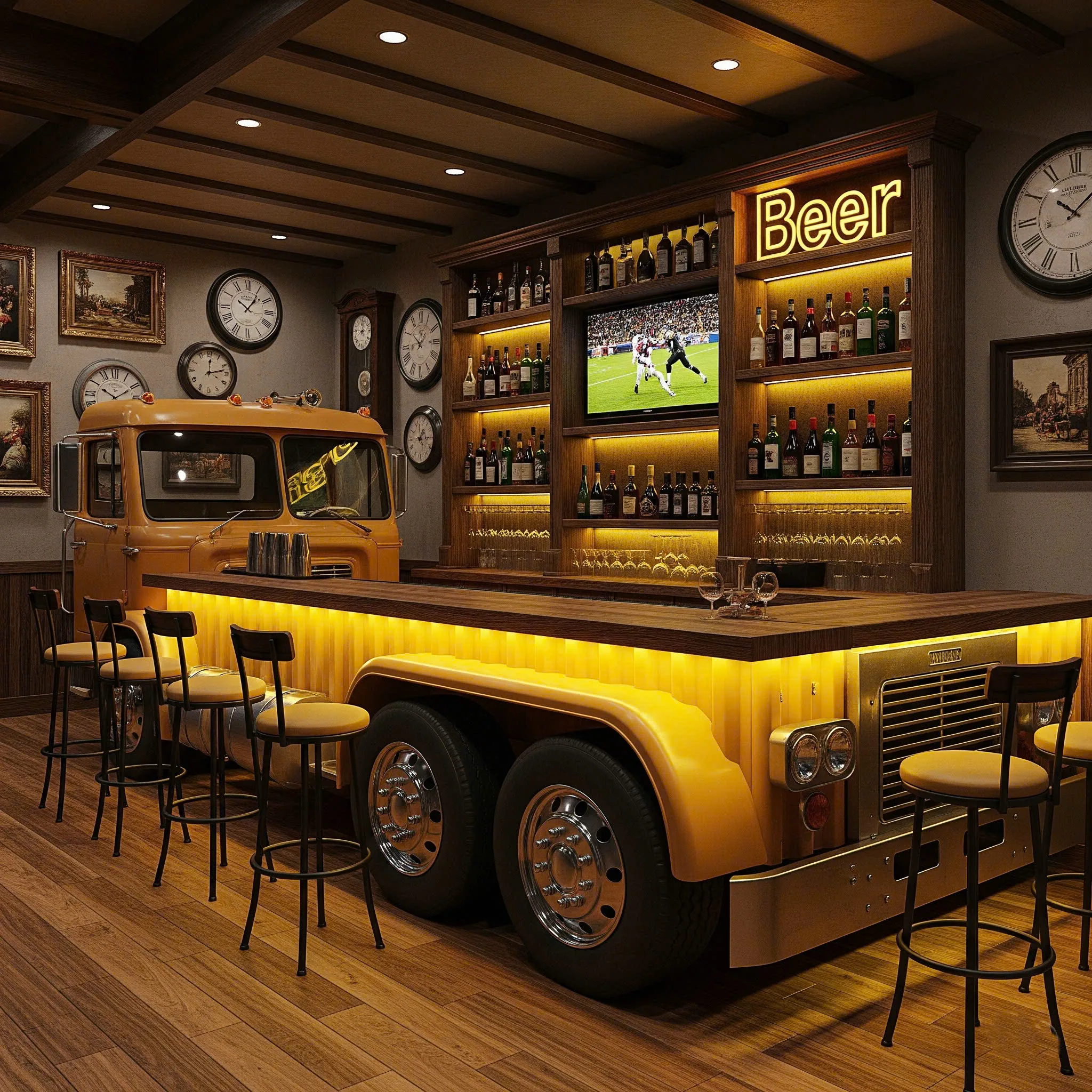
Turning a rig into a refuge
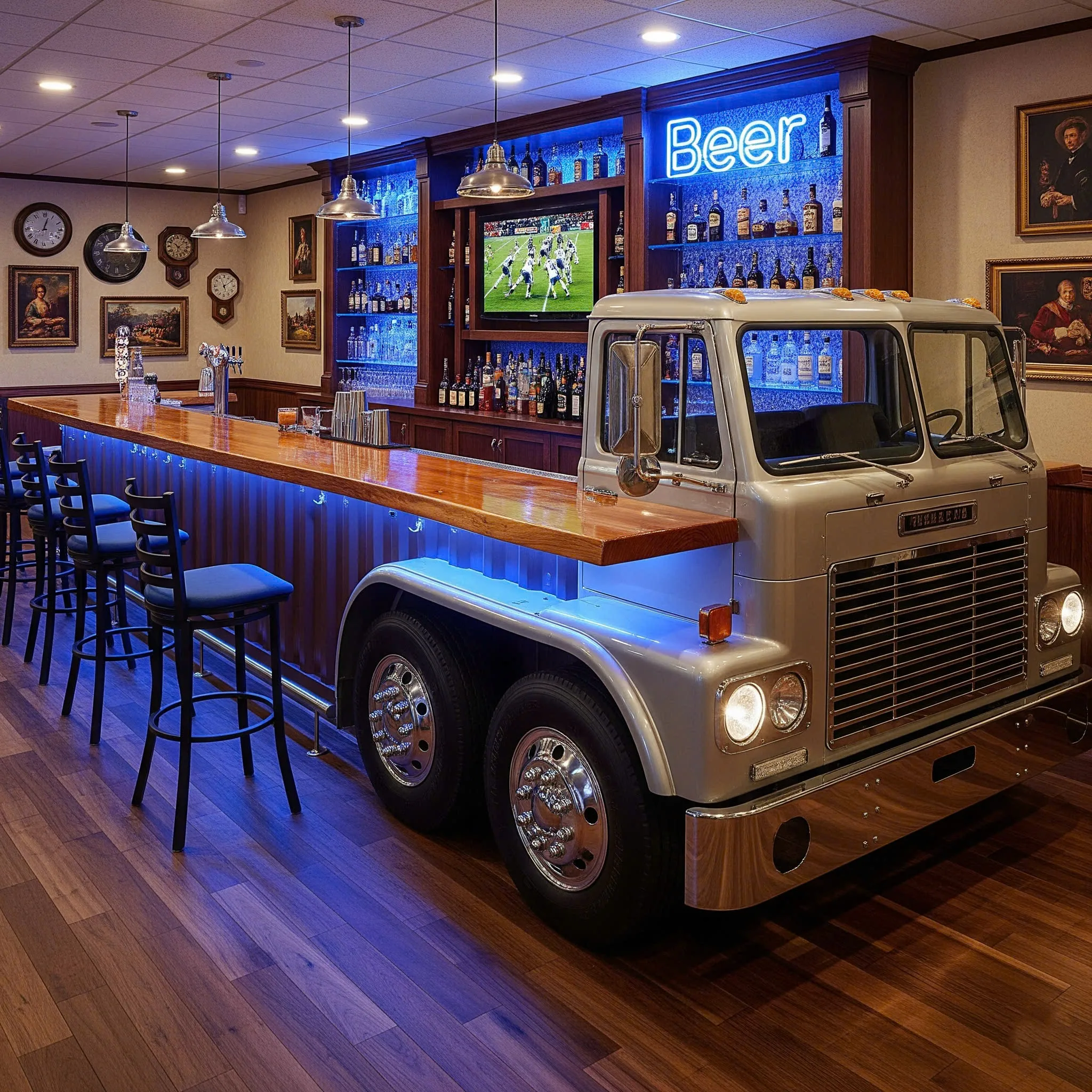
There’s something quietly heroic about a semi-truck: long nights under fluorescent cab lights, endless ribbons of highway, radio crackling with stories. A semi-truck tells stories of motion, of places seen through a windshield. Turning one of these machines into a Semi-Truck Home Bar is more than a design gimmick — it’s an act of reclamation. It takes the mobile monument of a life on the road and converts it into a place where friends gather, cocktails are shaken, and laughter replaces the hum of diesel engines.
This article explores that alchemy: the practical steps, design choices, emotional narrative, and cultural resonance behind building a Semi-Truck Home Bar. Whether you’re imagining a stationary backyard centerpiece made from a retired tanker, a mobile pop-up that parks at festivals, or an interior bar that borrows truck aesthetics, this guide will walk you through concept to completion. Expect layout tips, equipment lists, legal considerations, mood details, and a few imaginative scenarios to help you make that highway-to-happy-hour transition with style.
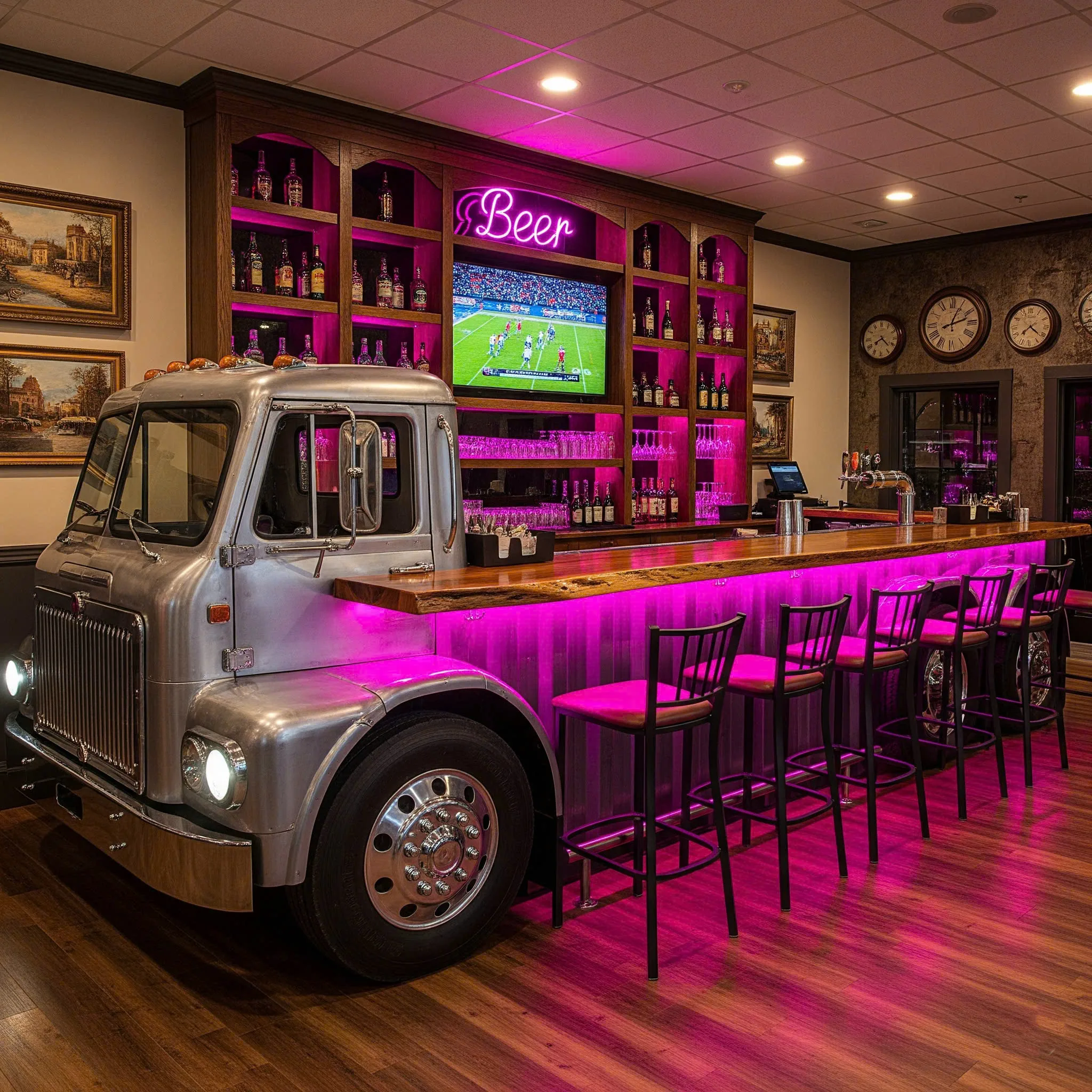
Why a Semi-Truck Home Bar? The appeal explained
Nostalgia and storytelling
A Semi-Truck Home Bar is a conversation starter. It’s tangible nostalgia—metal, rivets, scuffed paint—that anchors memories of cross-country trips, diners at dawn, and roadside camaraderie. Guests don’t just sit; they listen to the truck’s past.
Iconic aesthetics
The geometry of cab and chassis, vintage emblems, and industrial finishes lend themselves to a striking interior design palette: leather, reclaimed wood, brushed metal, and filament bulbs. A truck’s silhouette becomes a stage.
Practical benefits
Trucks are built to be durable, weather-resistant, and mobile. That means strong frames for hanging shelves, pre-existing shelter for overhead fixtures, and options to keep the bar mobile or make it a permanent structure with less heavy remodeling than a conventional room.
Sustainable reuse
Repurposing a retired rig into a social space is a form of upcycling. It keeps heavy machinery out of scrap heaps, gives new life to durable materials, and often requires fewer new raw resources than building from scratch.
Planning your Semi-Truck Home Bar — concept to brief
Define the purpose and scope
Start by asking: Will your Semi-Truck Home Bar be mobile or stationary? Is the goal a cozy backyard hideout, a neighborhood pop-up, or a licensed venue for paid events? Mobility affects everything: structural changes, licensing, utilities, and weight distribution.
Site and footprint
If stationary, where will it live? Backyard, rooftop, or sideyard? Consider access for delivery, local zoning rules, and neighbor relationships. If mobile, plan routes, parking rules, and the logistics of towing and setup.
Budget and timeline
Set a realistic budget and buffer. Conversions can be modest (a few thousand dollars for cosmetic work) or elaborate (tens of thousands for full electrical, plumbing, and commercial-grade equipment). Decide whether you’ll DIY or hire specialists.
Choose the right truck
Not all rigs are equal. Smaller cab-over trucks or delivery semis are easier to work with for backyard bars. Classic long-nose semis offer more interior volume and iconic looks but can be heavier and more expensive. Inspect for structural integrity, rust, and mechanical issues if you plan to keep some mobility.
Structural and mechanical considerations
Inspecting the chassis and body
A solid frame is essential. Check for rust, corroded crossmembers, and compromised welds. Repair or reinforce as needed—safety first. Consider professional welding for major frame work.
Stabilization and leveling
For a stationary Semi-Truck Home Bar, you’ll likely remove the engine or lock the driveline. Install leveling jacks or concrete footings to create a stable foundation. This also reduces sway when guests move about.
Insulation and climate control
Semi-trucks weren’t designed for leisure dwellings. Insulate walls and the roof with closed-cell foam or rigid board to control condensation and temperature. Add heating (small propane or electric space heaters) and air conditioning options—mini-splits work great if you want a quiet, efficient solution.
Windows and ventilation
Cutting in extra windows brightens the space and opens sightlines. Ensure that any new openings are properly framed, flashed, and sealed. Ventilation is essential for bar smells and for safety if you’ll use cooking equipment or propane appliances.
Electrical, plumbing, and utilities
Electrical basics
Decide on power: shore power (plug-in at the home), generator, or solar-plus-battery. A shore power hook-up is easiest for a backyard Semi-Truck Home Bar. Run circuits for lighting, refrigeration, blender outlets, and sound. Hire a licensed electrician for new panels, GFCI outlets, and any hardwired appliances.
Lighting plan
Layered lighting sets mood: overhead ambient lights, task lights over the bar, and accent lights to highlight decor. Use dimmable LED fixtures to save power and create atmosphere. Consider neon signs for truck nostalgia.
Plumbing options
A basic bar needs at least a hand sink and a utility sink. A gray-water plan is necessary if you’ll wash glasses on-site. For drinks, add a small under-counter ice maker and a compact dishwasher if you host often. If the truck is stationary on private property, you can connect to existing water and sewer; if mobile, a freshwater tank and gray-water tank are required.
Gas and fire safety
If you’ll use propane (for cooking or a grill), install a secure tank mount and certified regulator. Include a CO detector, fire extinguisher, and clearly labeled shut-off valves. Local codes may require additional equipment—always check.
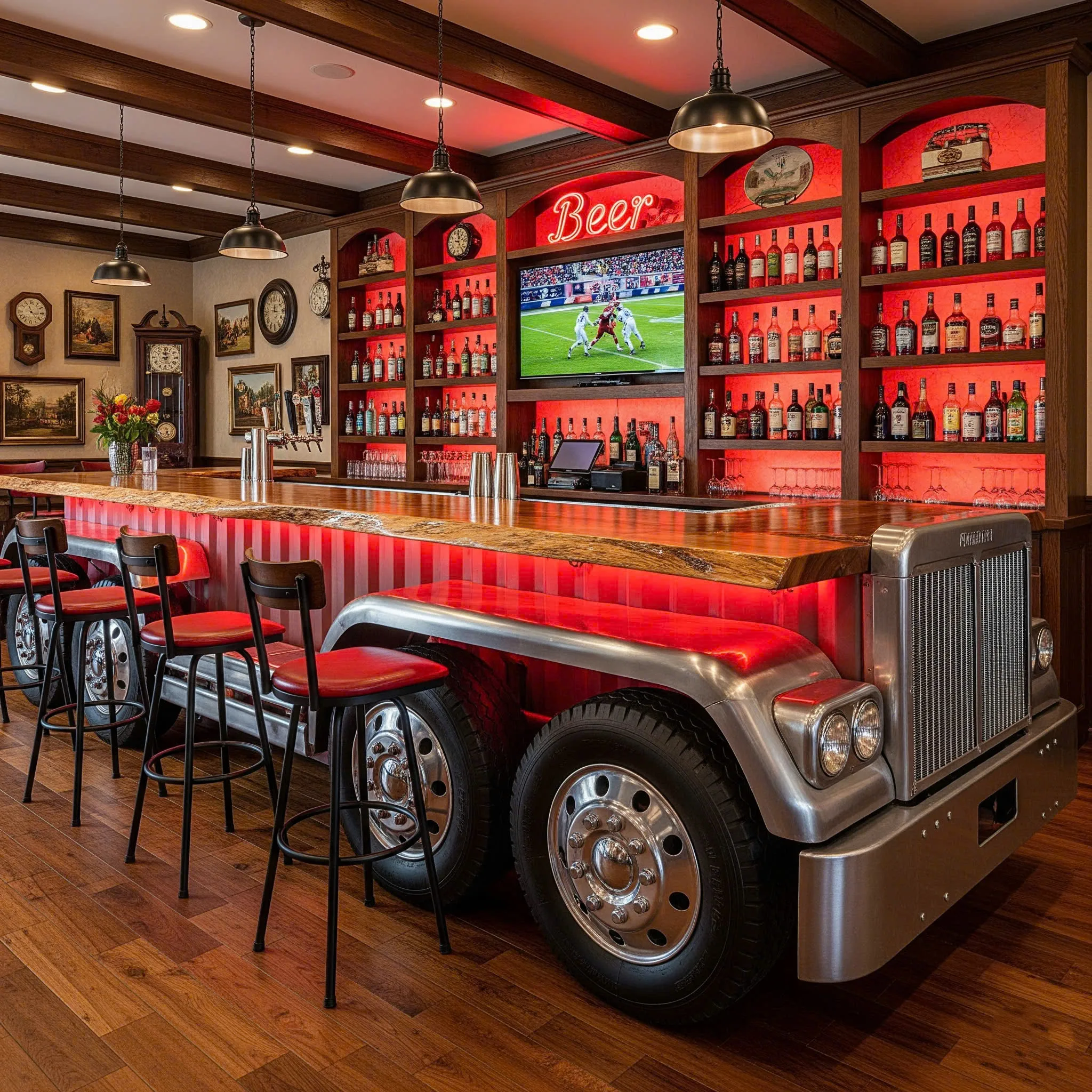
Layout and flow — designing an excellent guest experience
Bar-front essentials
The counter is the stage. Choose a durable top—reclaimed hardwood, stainless steel, or poured resin—wide enough for servers to work and guests to lean. Include a toe-kick and overhang for stools.
Backbar and storage
Use the truck’s vertical space for bottle racks, glassware cabinets, and a mini-fridge. Install secure latches so items don’t shift if you move the truck. Open shelving with rails preserves visibility and accessibility.
Seating strategies
Bar stools along the counter are classic, but don’t forget intimate nooks: a booth in the sleeper area, fold-out benches on a side awning, or outdoor Adirondacks for warm nights. Mix heights and materials for texture.
Flow for service
Plan for clear paths for servers between the bar, fridge, and sink. Keep blender, ice, and beer tap close together to minimize movement. If you expect big crowds, create a small staging area outside for order pickup to prevent congestion inside the cab.
Design themes and finishes
Rustic roadhouse
Reclaimed barn wood countertops, leather stools, and an American flag mural make the Semi-Truck Home Bar feel like a classic roadhouse. Add vintage gas station signs for authenticity.
Modern industrial
Polished concrete bar top, matte-black fixtures, exposed rivets, and Edison bulbs create a sleek, masculine vibe. Minimal upholstery and metal accents underscore the industrial heritage of the truck.
Retro diner
Chromed bar-edge, checkered flooring, neon jukebox, and pastel paint recall 1950s diners that truckers often favored. Offer classic cocktails and milkshake-inspired mocktails.
Global traveler
Decorate with souvenirs from across the map—route markers, maps, and photos—evoking the truck’s journeys. Use vibrant textiles to soften metal surfaces.
Eco-chic
Emphasize reclaimed materials, low-VOC finishes, LED lighting, and a solar array. Plant herbs in small planters to supply garnish and bring a living element into the bar.
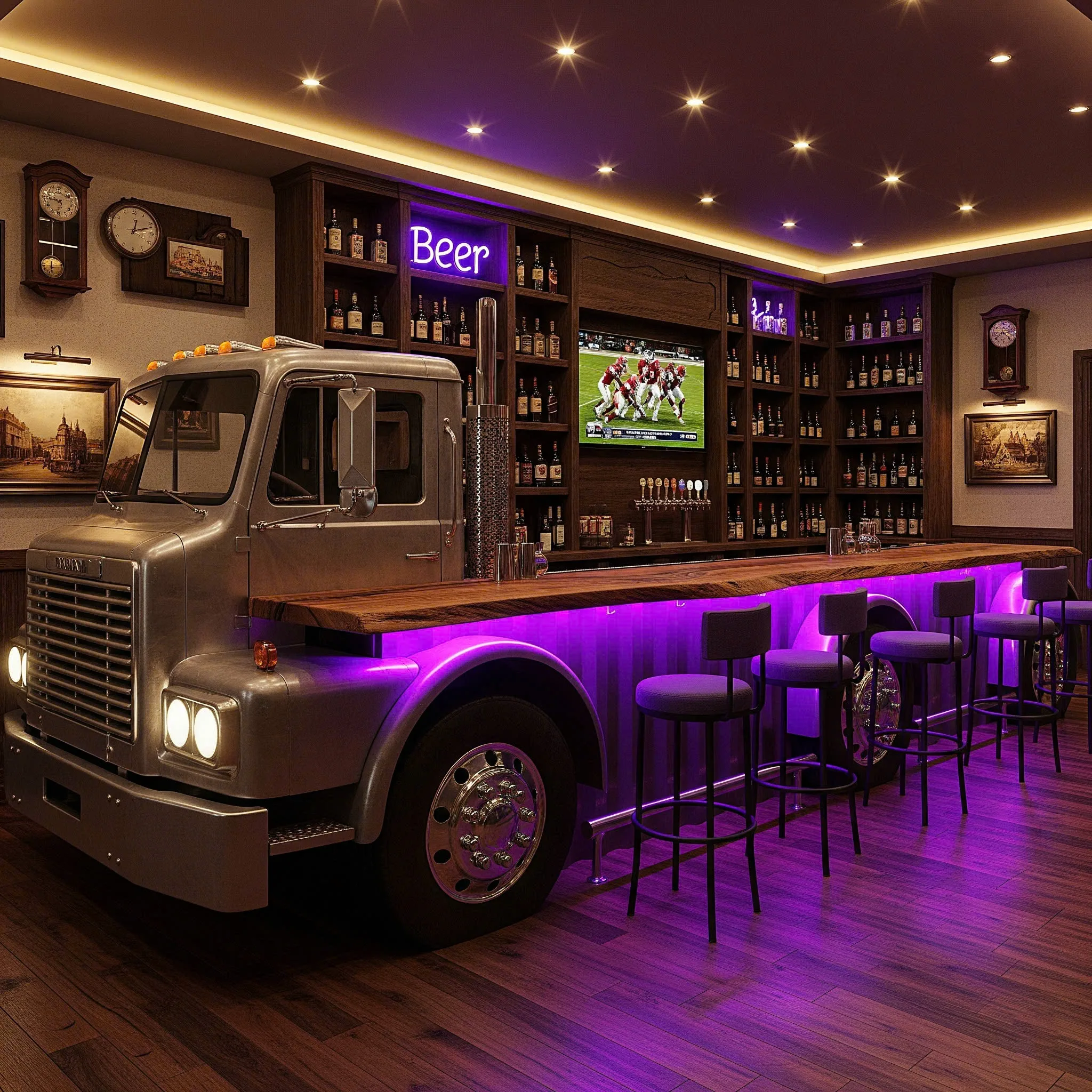
Bar equipment and tech essentials
Refrigeration and cooling
A commercial under-counter fridge or kegerator for draft beer is your backbone. Consider a dual-temp fridge for wine and mixers. Ice makers are essential unless you prefer bagged ice.
Draft system
A two- to four-tap draft system gives variety. If mobile, choose a compact, rugged system and ensure CO₂ tanks are secured. Plan for cleaning lines regularly.
Glassware and storage
Invest in break-resistant glassware for mobile setups. Use racks and bungee straps to secure everything. Include a dishwashing solution: a compact bar dishwasher or a three-compartment sink routine.
Point-of-sale and lighting
Modern POS systems are compact and cloud-based—ideal for temporary setups. Integrate Bluetooth speakers and a small PA system for music. Use smart lighting controls for moods and quick changes between day and night.
Crafting the menu — drinks, snacks, and signature touches
Signature cocktails with a trucking twist
Design cocktails that nod to life on the road:
- Diesel Old Fashioned – bourbon, smoked bitters, orange peel (smokiness evokes campfire stops).
- Route 66 Mule – vodka, ginger beer, lime, and a dash of regional honey.
- Sleeper Cab Sour – mezcal, lemon, egg white foam, with a coffee liqueur float.
Comfort bites
Simple, hearty snacks feel right: sliders, loaded fries, grilled cheese bites, and a rotating “truck stop special” inspired by regional roadside menus.
Non-alcoholic options
Offer craft sodas, house-made lemonade, and mocktails for designated drivers. A strong non-alcoholic lineup broadens appeal.
Pairing and tempo
Create a small menu that’s easy to produce quickly. Pair beers with salty bar snacks, and reserve more elaborate cocktails for slow nights or pre-booked events.
Ambience and entertainment — creating memorable nights
Lighting and sound
Use dimmers to shift mood from daytime casual to late-night cozy. Curate playlists that evolve over the evening—classic road songs early, then lo-fi and chill for late nights. Consider a small stage for acoustic acts that fit inside the sleeper area.
Theatrics and service
A trolley-style drink presentation, signature glassware, or a seasonal garnish (like smoked rosemary) can be a memorable flourish. Host themed nights—“Truckers’ Tales” storytelling, regional beer nights, or charity drives.
Scent and texture
Scent is powerful; avoid overpowering artificial fragrances. Use subtle notes—citrus for fresh cocktails, cedar or coffee for a warm atmosphere. Texture from leather seats and wool throws creates tactile comfort.
Hosting smart — events, safety, and guest experience
Happy hour and private bookings
Offer a daily happy hour with discounted signature drinks, and a simple booking system for private parties. Keep a minimum spend for private events to ensure profitability.
Capacity and crowd control
Know your safe capacity. The interior space of a truck is limited—consider outdoor expansion (awnings, fold-out stages) for larger crowds. Use a ticketing or reservation system to avoid over-crowding.
Accessibility
Make sure pathways are level and entrances accessible where possible. A ramp for wheelchair access and clear signage will make your Semi-Truck Home Bar welcoming.
Responsible service
Train staff in responsible alcohol service. Keep water, snacks, and non-alcoholic options easy to access, and have a plan for arranging rides for guests who shouldn’t drive.
Legal, zoning, and insurance realities
Zoning and permits
Permits vary widely. For a stationary backyard Semi-Truck Home Bar, check local zoning and homeowner association rules. Mobile bars that serve alcohol often require vendor permits for each location.
Alcohol licenses
Serving alcohol legally is complicated: temporary event permits, on-premise liquor licenses, or private-party only rules could apply. Consult a local licensing office or attorney early in the planning process.
Food safety and health codes
If you serve prepared food, a food handler license and periodic health inspections may be required. A certified three-compartment sink and sanitized surfaces help meet standards.
Insurance and liability
You’ll need general liability insurance and, if mobile, commercial vehicle insurance. If you host events, consider additional event insurance to protect against claims.
Budgeting and cost estimates
Cost buckets
- Acquisition of truck: variable — a retired rig might cost from a few thousand dollars for a project vehicle to tens of thousands for a classic, restored model.
- Structural and mechanical work: welding, reinforcement, and stabilization can range from a few hundred to several thousand dollars.
- Utilities and equipment: electrical work, refrigeration, and solar solutions typically range in the low thousands.
- Interior fit-out and decor: from a modest DIY refit under $5,000 to high-end designs costing $20,000+.
- Licensing and permits: fees vary by jurisdiction—budget for several hundred to a few thousand dollars.
- Operational costs: staffing, stock, utilities, and maintenance should be projected monthly.
Provide a phased plan to spread costs: start with a basic bar fit and add features over time.
Sustainability and longevity
Eco-friendly choices
Install solar panels and batteries to reduce reliance on shore power, use reclaimed wood and low-VOC finishes, and choose energy-efficient appliances. Collect rainwater for non-potable uses like cleaning exterior decks.
Maintenance plan
Routine checks for seals, roof integrity, refrigeration coils, and plumbing lines prevent expensive problems. If mobile, check wheel bearings, brakes, and tie-downs regularly.
Longevity through storytelling
Preserve the truck’s story with a plaque describing its routes, drivers, or previous life. Guests connect more deeply to spaces with histories.
Cultural resonance — why it matters
The Semi-Truck Home Bar is more than an interior design statement; it’s a bridge between two worlds. It recognizes the labor and lore of people who spent long stretches alone, moving goods and connecting towns. By turning a tool of commerce into a place of leisure, you honor that rhythm and translate solitude into community.
This kind of project also mirrors contemporary trends: a fascination with authenticity, a taste for reclaimed objects with provenance, and a desire for experiential venues over sterile, generic spaces. When done thoughtfully, a Semi-Truck Home Bar celebrates the open road while providing a warm, human counterpoint—a place where the rumble of journeys is replaced by clinking glasses and shared stories.
Case studies and imagined examples
The Backyard Big Rig
A retired long-nose semi is cut and mounted over a poured concrete pad. The sleeper becomes a cozy lounge with leather benches. A 3-tap kegerator is installed under a reclaimed-wood bar top. String lights and a retractable awning create outdoor seating. The owner hosts weekly “Route Nights” with regional craft beers and grilled sliders.
The Mobile Pop-Up
A compact cab-over truck is converted into a mobile bar that travels to farmers’ markets and music festivals. Fast-attach awnings and a fold-down serving window enable quick setup. Solar power and an onboard generator keep the fridges cold. The pop-up is known for two signature cocktails inspired by the driver’s favorite roadside diners.
The Community Hub
A decommissioned municipal truck becomes a bar in a community garden. The semi’s frame houses a herb garden used for cocktail garnishes. Proceeds from events go to local charities, and the semi becomes a mural-canvas for local artists. The space doubles as an educational venue for sustainable living workshops.
Practical checklist — your conversion starter pack
- Decide mobile vs. stationary.
- Acquire a structurally sound truck.
- Budget and plan phases.
- Secure site, permits, and insurance.
- Stabilize chassis and add footings.
- Insulate and weatherproof cabin.
- Install electrical system with a licensed electrician.
- Add plumbing and waste solutions as needed.
- Design the bar layout with service flow in mind.
- Source refrigeration, draft system, and POS.
- Fit-out seating and shelving, secure everything for movement.
- Create a menu and staff training plan.
- Market your opening: social media, local press, and neighborhood invites.
Conclusion — from motion to welcome
“From Highway to Happy Hour” isn’t just a catchy line; it’s a transformation narrative. A Semi-Truck Home Bar converts a machine whose raison d’être is motion into a place whose purpose is presence. It preserves the truck’s past while giving it a future—one where friends linger, cocktails are celebrated, and the road remembered fondly.
This project isn’t for everyone. It requires imagination, elbow grease, and attention to legalities. But for those who undertake it, the rewards are tangible: a distinctive social venue, a sustainable reuse of industrial materials, and an evocative homage to the rhythms of life on the road. Whether you’re after a cozy backyard nook that echoes highway lore or a rolling party that brings the spirit of the truck stop to festivals, a Semi-Truck Home Bar can be a beacon of warmth, creativity, and community.
If you’re inspired to start sketching layouts, dreaming up signature cocktails, or hunting for the perfect retired rig, remember the guiding idea: the best bars tell stories. A semi-truck already has one built into its ribs. Your job is to open its doors and invite people in.