
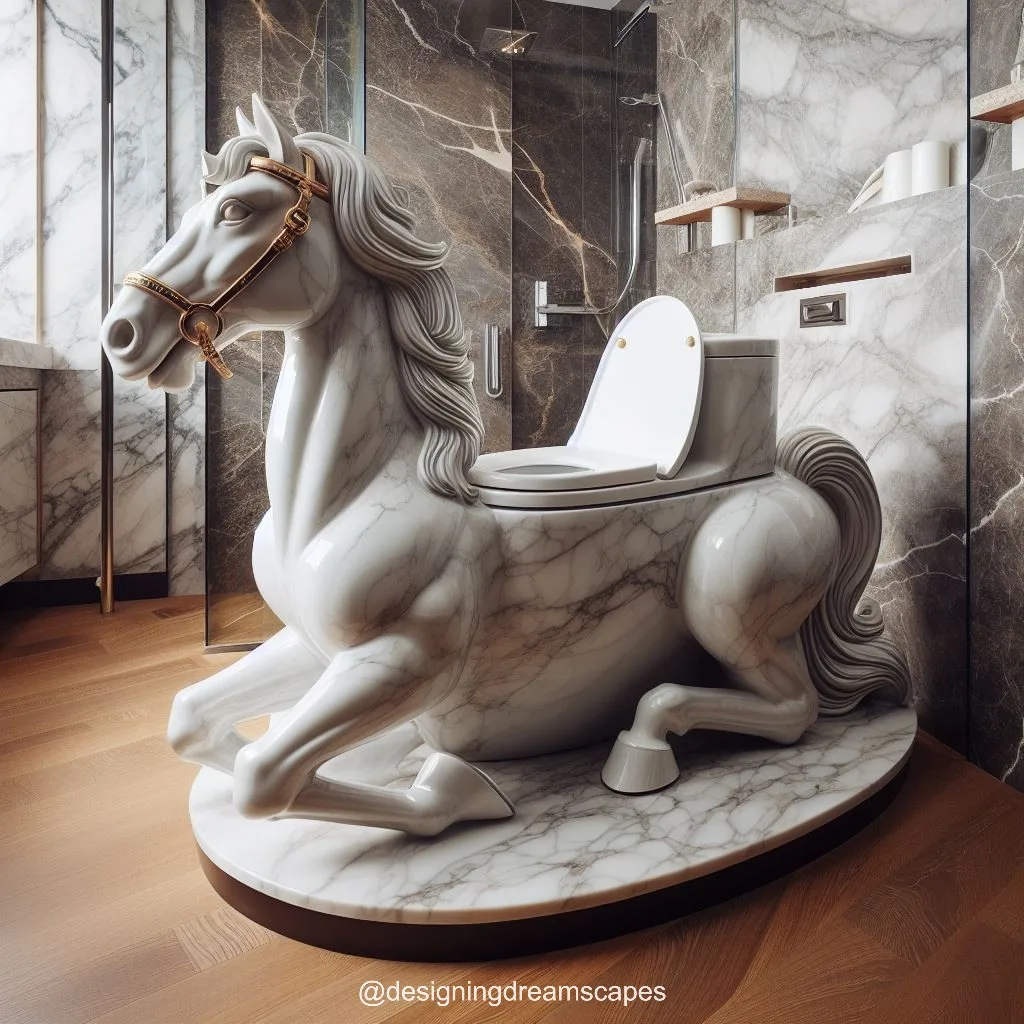
Bathrooms are often the most functional, least imaginative rooms in a house — tiled walls, practical fixtures, and a tacit promise of privacy. Yet over the past decade designers, parents, and novelty-seekers have increasingly asked a simple, delightful question: why shouldn’t the bathroom be fun? Enter Animal Shaped Toilets — fixtures that turn routine bathroom moments into charming, whimsical experiences. Far from being mere gimmicks, these designs balance playful aesthetics with practical purpose, opening new possibilities for interior design, child-friendly homes, themed venues, and even hospitality spaces seeking memorable guest experiences.
This article explores the world of Animal Shaped Toilets in depth. We’ll look at their appeal, how designers turn familiar animal forms into usable sanitaryware, and the practical matters — installation, maintenance, safety, and hygiene. We’ll also examine their psychological benefits, particularly for families navigating potty training, and offer styling tips for turning a bathroom into a cohesive playful haven rather than a scattered novelty zone. Finally, if you’re considering adding an Animal Shaped Toilet to your home or business, you’ll find a buyer’s guide and customization ideas to help you choose a model that’s charming, durable, and fit for daily use.
Whether you’re a parent looking to make potty training less stressful, a designer chasing a statement piece, or a small business owner aiming to create a memorable environment, Animal Shaped Toilets invite you to rethink what a bathroom can be: functional, safe, and surprisingly joyful.
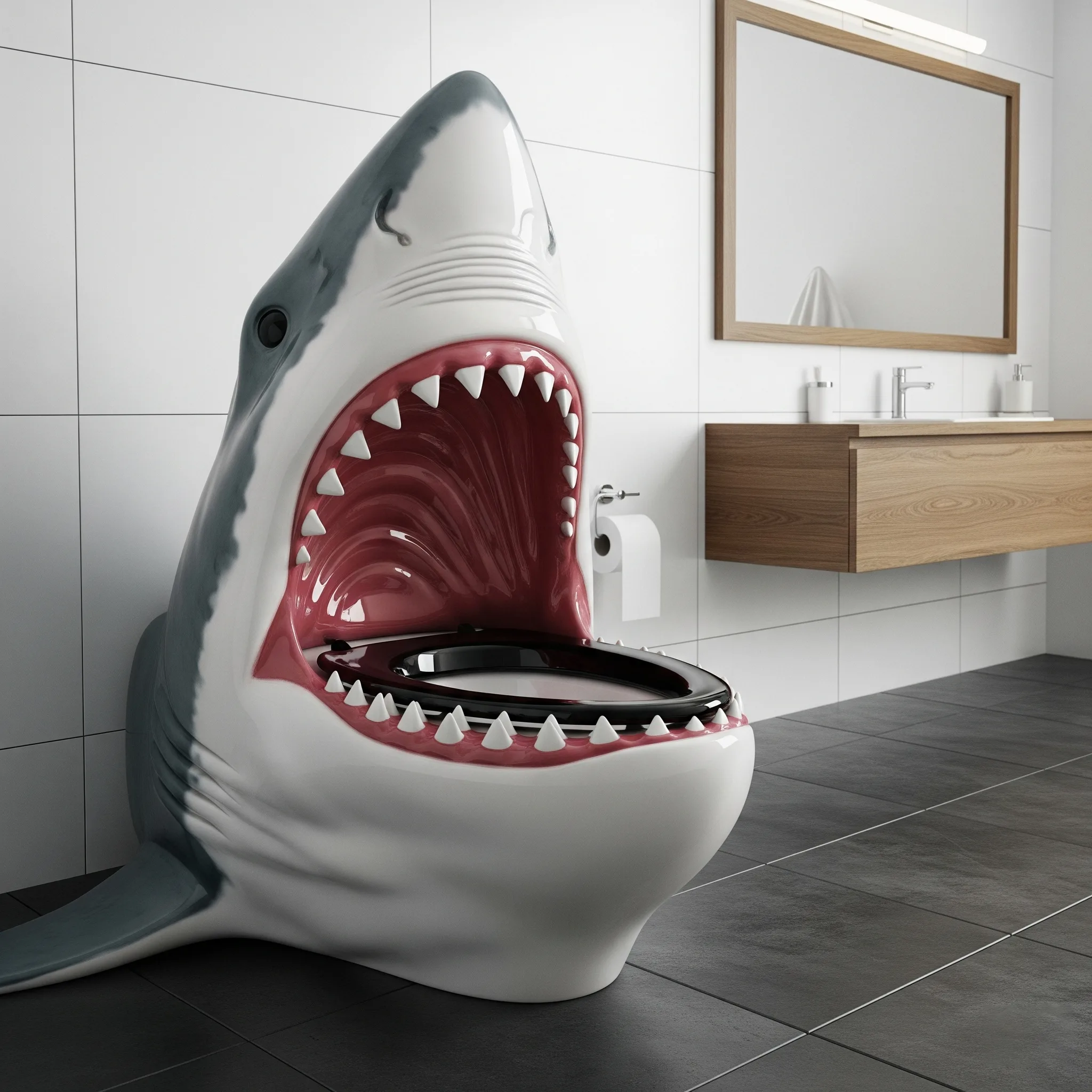
The Concept: Why Animal Shaped Toilets?
From novelty to niche design
At first glance, the idea of toilets modeled after animals might read as novelty or whimsy — a joke turned into porcelain. But the concept is more substantial than that. Animal Shaped Toilets respond to a deep human inclination to anthropomorphize and connect with the natural world. By borrowing the silhouette, texture, or color palette of familiar animals, designers invite warmth and personality into a room traditionally dominated by neutral palettes and sterile fixtures.
These toilets are not a brand-new fad. Toylike bathroom fixtures have appeared in various forms — kid-sized potties, themed bathrooms in amusement parks, and novelty toilets in cartoons and film. What’s different now is manufacturing capability, public appetite for personalized interiors, and a growing market for niche, emotion-driven home products. Ceramic technology, thermoformed plastics, and advanced molding techniques allow manufacturers to create shapes and finishes that remain functional while offering strong visual character.
Cultural and commercial appeal
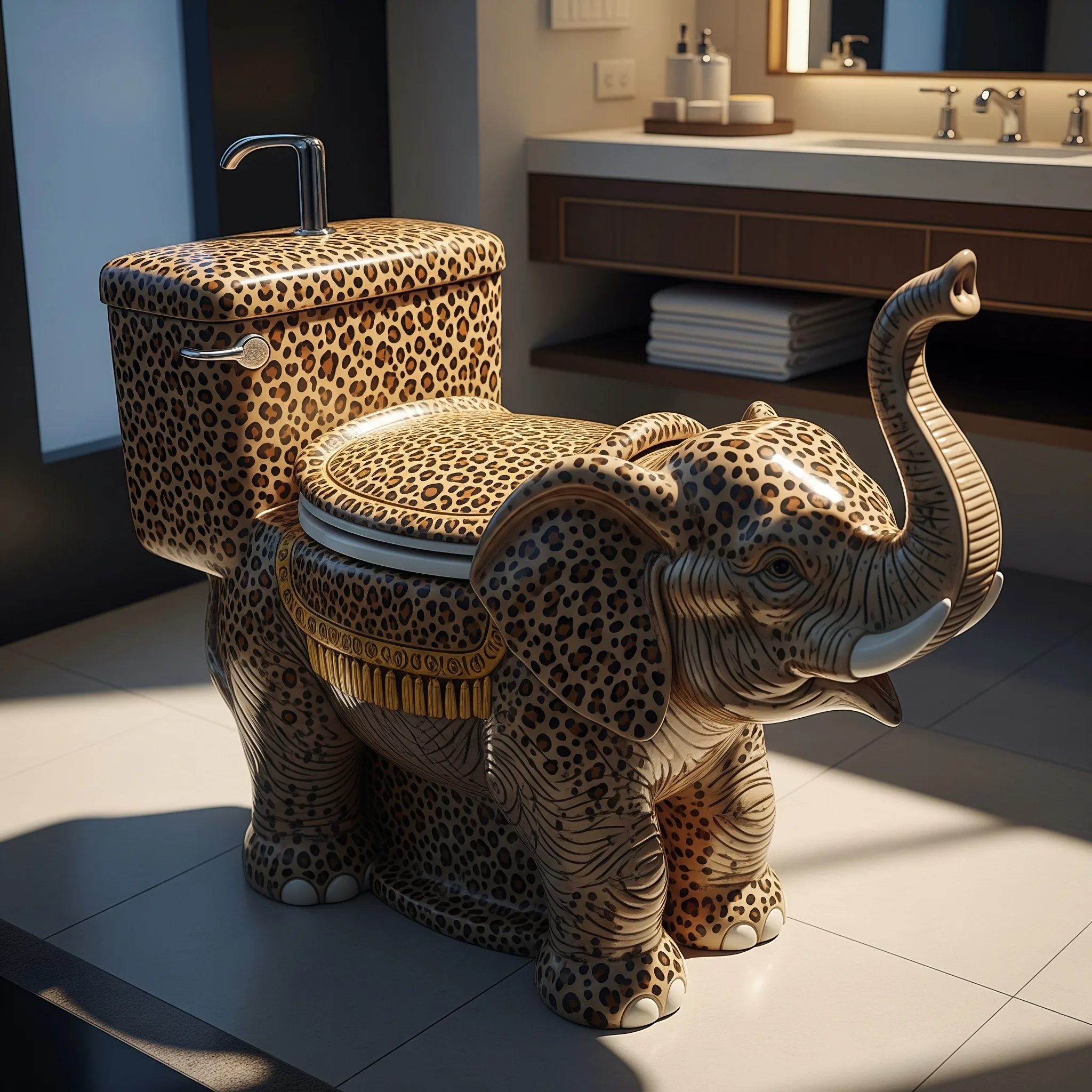
Animal motifs resonate cross-culturally. A whale-themed toilet in a seaside cottage, a panda bowl in an urban nursery, or a fox-shaped fixture in a boutique hotel lobby — each evokes specific feelings and narratives. Retailers and hospitality businesses have realized that whimsical fixtures can be a marketing asset: social media-friendly visuals, family-friendly branding, and a distinctive guest memory. For homeowners, an Animal Shaped Toilet can become the focal point of a themed bathroom, sparking joy and conversation.
Design thinking behind the whimsy
Good designers don’t simply attach ears to a traditional toilet; they reimagine ergonomics, proportions, and user interaction through the lens of the animal motif. The goal is to preserve or enhance comfort and hygiene while allowing the fixture’s character to shine. For children, that might mean lower seats and supportive contours shaped like a friendly creature. For adult-oriented designs, the animal reference can be subtler — a graceful curve that suggests a swan’s neck, or a textured glaze resembling scales. In every case, the challenge is to marry narrative and utility.
Design & Materials: How Animal Shaped Toilets Are Made
Shapes, silhouettes, and degrees of literalness
Animal Shaped Toilets range from literal to suggestive:
- Literal renditions: These are unabashedly animal-like — think a toilet bowl shaped like a frog’s open mouth, or a full-bodied whale with a lid that lifts from the tail. These designs often target children or novelty markets and prioritize visual impact.
- Stylized interpretations: Designers may take inspiration from animal forms while maintaining the basic anatomy of a toilet. A swan-inspired bowl might retain a conventional plumbing footprint but feature an elongated, graceful tank resembling a swan’s neck.
- Minimalist nods: Subtle design cues — ear-shaped flush buttons, scale-like textures, or color palettes evocative of an animal — maintain sophistication while offering thematic cohesion.
Materials: ceramics, plastics, composites, and more
Traditionally, toilets are made from vitreous china or porcelain because these materials are durable, non-porous, and easy to clean. Animal Shaped Toilets often use these materials when a premium, traditional finish is desired. However, manufacturers also use alternative materials depending on design goals:
- Vitreous china / porcelain: Perfect for high-gloss, durable finishes and more classic looks. Suited for stylized or minimalist animal forms that require staining and glazing.
- High-density polyethylene (HDPE) and ABS plastics: Lighter and easier to mold into complex shapes, plastics are common in kids’ potty seats, novelty fixtures, and off-the-shelf themed toilets. Though less premium, they can be cost-effective and provide more vibrant colors.
- Composite materials: Blend strength and flexibility. Composites can allow for interesting textures (e.g., faux fur panels, textured scales) while maintaining structural integrity.
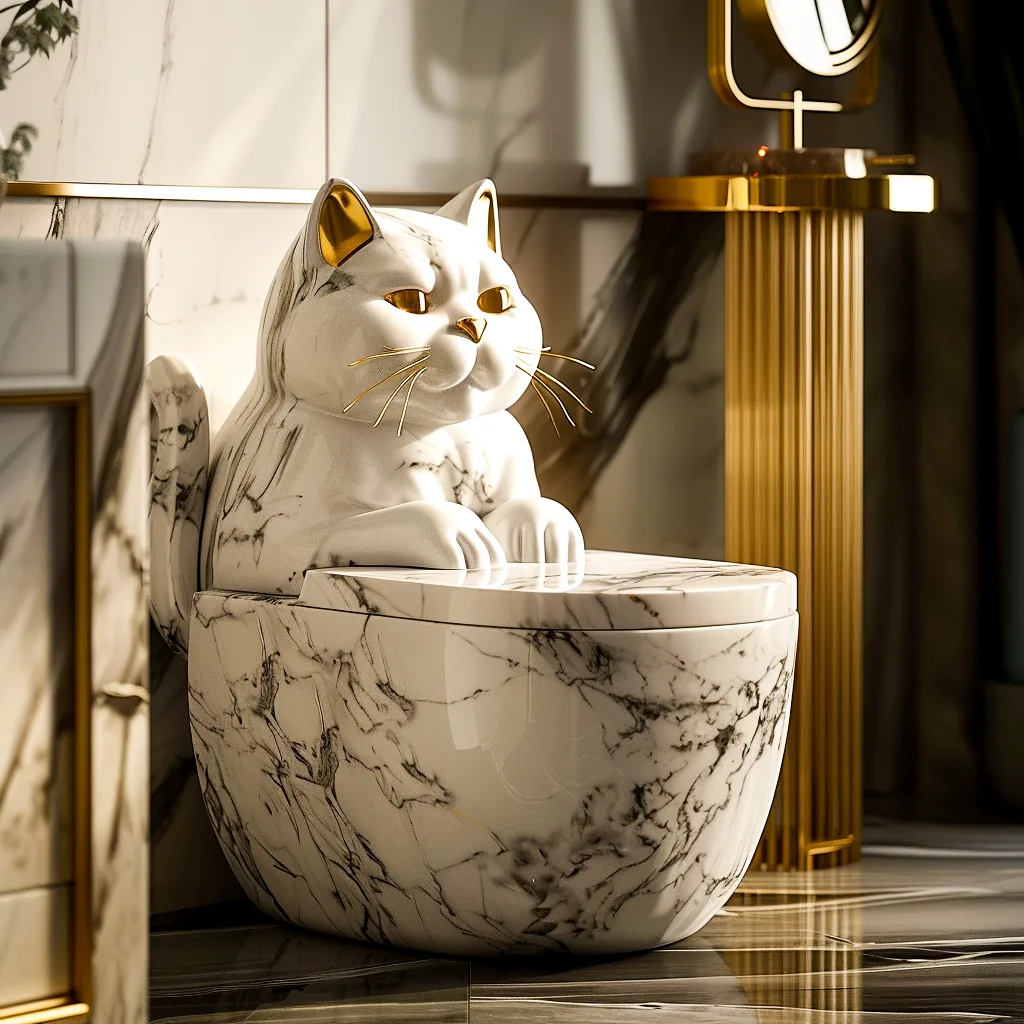
- Metal accents and upholstery: Some designs incorporate brass fittings for an eye-catching, upscale look, or cushioned seats for comfort. For animal-themed installations in hospitality, mixed materials help balance durability with design flourish.
Manufacturing techniques and finishes
Molding complex animal shapes requires different techniques: slip casting for ceramics, rotational molding for plastic bodies, and injection molding for precise components. Glazing and painting are crucial — a high-quality glaze not only brings coloration but also seals the surface, preventing stains and making cleaning easier. Designers must account for wear patterns (e.g., seat edges, flush button areas) and choose finishes that resist scratching and discoloration.
Benefits: Playful Design Meets Practical Purpose
Making bathrooms kid-friendly and easing potty training
One of the most tangible benefits of Animal Shaped Toilets is their power to reduce stress around potty training. Children are often anxious about unfamiliar routines; placing them on a friendly, animal-shaped seat transforms the toilet from an intimidating appliance into a playful companion. Visual storytelling — a lion that roars (softly), a turtle with slow-moving eyes illustrated on a seat cover — can make the process feel like a game. This psychological ease encourages cooperation, shortens training time, and creates positive associations with personal hygiene.
Encouraging regular use and improving habits
Playful fixtures can encourage people — both children and adults — to spend the necessary time in the bathroom for proper hygiene. A whimsical environment transforms routine into ritual; brushing teeth, washing hands, and other daily tasks feel more engaging when the space delights the senses. For caregivers, this translates into fewer reminders and a smoother daily flow.
Accessibility and sensory design
Animal Shaped Toilets can be designed to improve accessibility. For example, a broad, ergonomic seat shaped like a friendly animal can provide better hip and back support for users with sensory sensitivities or mobility challenges. Designers can integrate textures and tactile cues that help visually impaired users orient themselves, and color-contrasted rims can assist those with limited vision. In therapeutic settings, sensory-friendly animal themes can create comforting spaces for children on the autism spectrum.
Business and branding advantages
For businesses — cafes, small hotels, family entertainment centers — Animal Shaped Toilets are memorable branding tools. Guests are more likely to photograph and share distinctive bathrooms on social media, extending free marketing reach. In children’s venues, themed toilets contribute to a consistent brand language and demonstrate attention to detail, elevating the guest experience.
Practical Considerations: Installation, Maintenance & Durability
Plumbing footprint and compatibility
Before falling for a charming fox or whale fixture, it’s crucial to verify plumbing compatibility. Many Animal Shaped Toilets are redesigned to fit standard rough-in dimensions, but overly literal designs may require custom plumbing or special installation techniques. Always check:
- Rough-in size: Standard rough-in distances are 10, 12, or 14 inches from the wall to the center of the drain. Confirm that the animal-themed toilet matches your setup.
- Water supply and flush mechanisms: Look for fixtures compatible with dual-flush or low-flow systems if water conservation matters to you.
- Mounting options: Floor-mounted vs. wall-hung designs require different support and structural considerations. Wall-hung animal fixtures are rarer and may necessitate reinforced in-wall carriers.
Cleaning and hygiene
Designers must balance whimsy with hygiene. The more crevices, textures, and ornamental details a fixture has, the more places dirt and bacteria can collect. To ensure sanitary conditions:
- Choose non-porous finishes: Glazed ceramics or sealed composites are easiest to clean.
- Avoid unnecessary crevices: Smooth transitions and integrated forms reduce cleaning time.
- Removable parts: Seats, lids, and decorative panels that detach make thorough cleaning simpler.
- Material resilience: Select materials that resist staining and can withstand common cleaning agents.
Durability and daily wear
Children’s bathrooms endure rough treatment — bangs, spills, and enthusiastic cleaning. Ensure the animal-shaped fixture can tolerate:
- Impact and scratch resistance: Hardened glazes, reinforced plastics, and scratch-resistant coatings increase longevity.
- UV stability for colored parts: If the toilet is exposed to sunlight (e.g., near windows), pigmentation must resist fading.
- Seat hardware quality: Hinges and bolts should be heavy-duty, especially in public or commercial settings.
Cost and value considerations
Novelty and custom designs typically come at a premium. Expect to pay more for bespoke molds, artisanal glazing, or high-end materials. However, consider value beyond price: an unforgettable themed bathroom can increase a venue’s perceived value and marketability. For families, the utility — faster potty training, less resistance — may offset the upfront cost.
Safety & Hygiene: Making Playful Toilets Responsible Toilets
Child safety features
When designs target children, safety is paramount. Important safety elements include:
- Rounded edges: Avoid sharp protrusions or small parts that could injure a child.
- Stable bases: Ensure the fixture can’t tip; low center-of-gravity designs or anchoring bolts provide stability.
- Soft-close lids: Prevent finger pinches with slow-closing mechanisms.
- Non-slip surfaces: Footing around the fixture should be slip-resistant; consider textured flooring or mats.
Hygiene best practices
Playful design must not compromise cleanliness. Practical strategies include:
- Anti-microbial coatings: Some finishes incorporate anti-microbial agents that reduce bacterial colonization. Note, though, that these are supplements to — not replacements for — routine cleaning.
- Hands-free flush options: Sensor-based flush mechanisms or foot pedals reduce contact points, lowering germ transfer.
- Integrated handwash stations: Pairing the toilet with a nearby sink or hand-sanitizer dispenser promotes immediate hygiene, especially in children’s bathrooms.
- Clear cleanup protocols: In public venues, display friendly, concise cleaning guidance for staff, emphasizing high-touch areas like flush handles and seats.
Regulatory and sanitation codes
Commercial installations must comply with local plumbing and sanitation codes. Certain novelty fixtures may require certification or inspection to ensure they meet standards for water efficiency and wastewater disposal. Always consult local building codes or a licensed plumber before installing non-standard sanitaryware in public or commercial settings.
Styling Tips: Turning the Bathroom into a Playful Haven
Build a coherent theme
An Animal Shaped Toilet works best when integrated into a larger design narrative. Some thematic approaches:
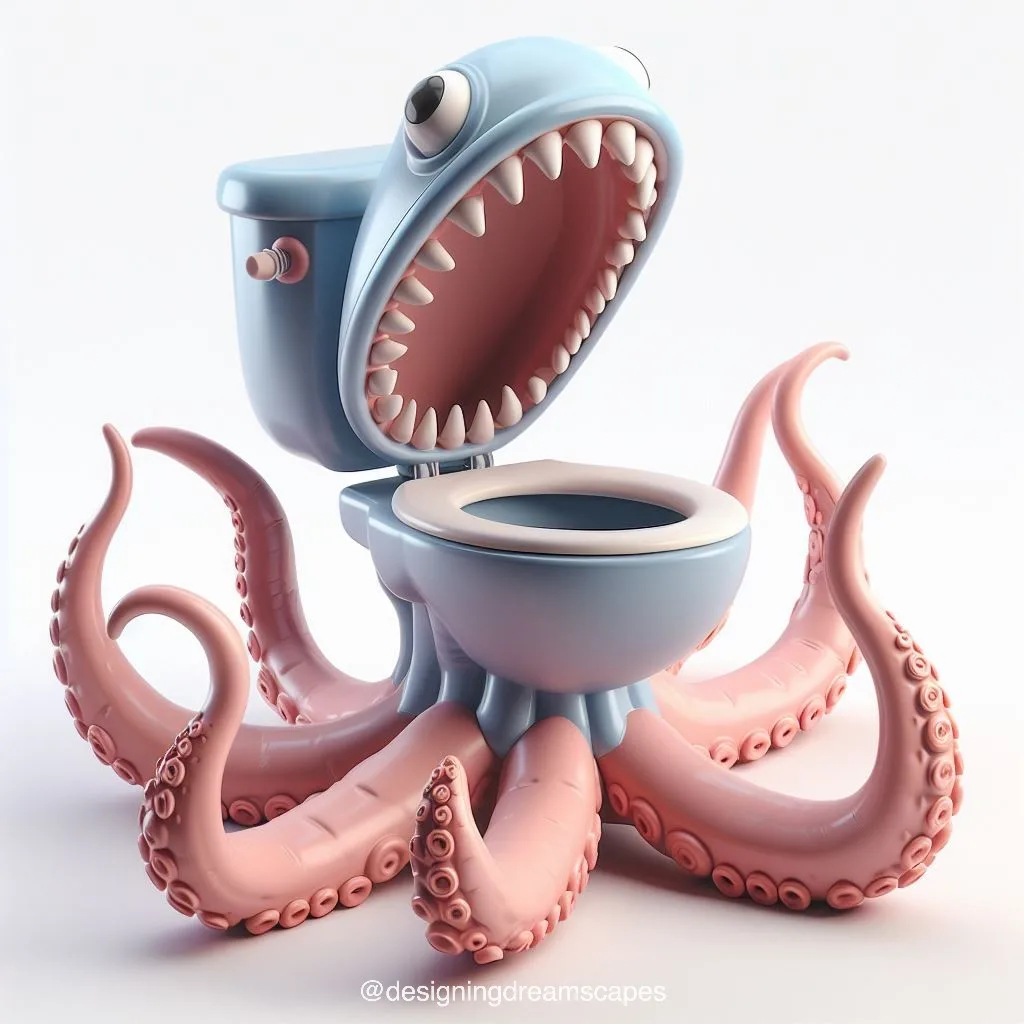
- Ecosystem bath: Complement an octopus toilet with coral-patterned tile, sea-blue paint, and shell-shaped accessories.
- Forest retreat: Pair a bear or fox toilet with wood-look tiles, leafy wallpaper, and natural textures for a cozy woodland vibe.
- Safari chic: Opt for a stylized, sophisticated giraffe reference and combine it with neutral tones, woven baskets, and brass accents to keep the look grown-up.
Color palettes and balance
Use color thoughtfully. Bright, saturated colors can be perfect for children’s bathrooms, but in shared or adult spaces, balance playful hues with neutral backdrops. Consider:
- Accent vs. anchor: Let the Animal Shaped Toilet be the focal point; keep other patterns subtle so the room doesn’t feel chaotic.
- Repeating motifs: Echo the animal motif through towels, art prints, or tiles to create unity.
- Materials contrast: Mix matte textures (e.g., wood or linen) with a glossy animal finish to create depth.
Accessories and functional decor
Accessories can reinforce the playful theme while remaining useful:
- Animal-shaped towel hooks or soap dishes: Small details that tie the room together.
- Interactive educational elements: Wall decals with animal facts or a simple chart to track potty milestones for children.
- Functional storage: Use baskets or jars labeled with animal icons to teach organization.
Lighting and ambience
Lighting can dramatically alter a playful bathroom’s mood. Soft, warm lighting creates a cozy sanctuary for relaxation, while brighter task lighting suits functional moments. Consider dimmable fixtures to shift the atmosphere between daytime activity and bedtime calm.
Customization, DIY & Creative Ideas
Bespoke designs vs. ready-made models
If you want a unique Animal Shaped Toilet, you can choose between commissioning a bespoke piece or modifying an existing model. Bespoke options offer full creative control — species choice, scale, and finish — but are more expensive and may involve longer production times. Ready-made models are quicker and often more affordable but may limit personalization.
DIY upgrades and safe modifications
If professional customization is out of reach, small DIY touches can create a themed effect without altering plumbing:
- Themed seat covers and decals: Waterproof vinyl decals and custom seat covers can transform a standard toilet into a character with minimal cost.
- Paint and stencils: Using safe, water-resistant ceramic paints, you can add patterns or facial features to a glazed surface (always follow manufacturer recommendations).
- Accessory bundles: Coordinate bath mats, soap dispensers, and towels to reinforce the animal motif.
Be cautious with permanent modifications to plumbing fixtures. Avoid drilling into ceramic without proper tools and expertise; when in doubt, consult a professional.
Incorporating technology
For a modern twist, pair Animal Shaped Toilets with tech features:
- Smart flushing and bidet functions: Integrate hygiene-focused technology for comfort and cleanliness.
- Sound and light: Gentle chimes or soft LED accents can make the toilet experience more playful for children, provided the features are waterproof and child-safe.
- Interactive potty-training apps: Some parents use companion apps that sync with bathroom rituals to gamify training, rewarding children for consistent hygiene habits.
Environmental Considerations & Sustainability
Water efficiency
Novelty should not come at the expense of sustainability. Many modern toilets incorporate dual-flush or low-flow systems to minimize water usage. If you’re investing in an Animal Shaped Toilet, prioritize models that meet water efficiency standards (e.g., low liters per flush ratings in your region).
Material sustainability
Consider the environmental impact of materials:
- Recycled plastics and composites: Some manufacturers use recycled polymers for colored or intricate shapes.
- Responsible ceramics: Look for producers that minimize kiln emissions and practice responsible glazing.
- Longevity: A durable fixture that lasts decades is more sustainable than a cheaply made novelty that must be replaced frequently.
End-of-life and repairability
Check whether the toilet’s components are replaceable. Removable seats, modular decorative panels, and easily serviced flush mechanisms extend a product’s lifespan and reduce waste. Ask manufacturers about spare parts and repair services.
Buying Guide: What to Look for When Choosing Animal Shaped Toilets
Prioritize fit and function
- Dimensions and rough-in compatibility: Confirm the toilet will fit your bathroom and plumbing.
- Comfort and ergonomics: Test seat height and bowl shape, especially for children or users with mobility needs.
- Flush performance: Strong, efficient flushing prevents clogs and maintains hygiene.
Material and finish
- Choose durable, non-porous surfaces for ease of cleaning.
- Check glazing and paint warranties to ensure coloration and finish longevity.
- Prefer replaceable parts (seats, lids, decorative trims) to simplify maintenance.
Safety certifications and standards
- Look for plumbing certifications appropriate to your country (e.g., water efficiency certifications or sanitation approvals).
- For commercial installations, confirm that the product meets local building and sanitation codes.
Cost and warranty
- Compare prices across similar models and evaluate them for value, not just novelty.
- Warranty coverage is critical — especially on moving parts like hinges and flush mechanisms.
Vendor reputation and reviews
- Read user reviews and case studies to learn about real-world durability and satisfaction.
- Ask about shipping and installation support, particularly for heavier ceramic models.
Use Cases: Where Animal Shaped Toilets Shine
Family homes and nurseries
The most obvious application is in homes with young children. Animal Shaped Toilets create friendly rituals around potty training and make bathrooms environments kids want to use.
Daycares, pediatric clinics & schools
Institutions that serve children benefit from fixtures that reduce fear and promote independence. Durable, easy-to-clean models with safety features are especially useful here.
Themed hospitality and boutique venues
Boutique hotels, bed-and-breakfasts, and themed cafes can use Animal Shaped Toilets to create memorable guest experiences and social media buzz. A well-executed thematic bathroom can become a signature talking point.
Pop-up events and experiential marketing
From product launches to children’s fairs, temporary installations featuring playful toilets can be immersive attractions — just ensure sanitation and maintenance are planned.
Conclusion
Animal Shaped Toilets are more than decorative novelties; they represent a meaningful shift in how we think about everyday spaces. By bringing character, charm, and intentional design into bathrooms, these fixtures make routine moments more enjoyable and, in many cases, more manageable — particularly for children and caregivers navigating early development stages. Thoughtful design balances whimsy with functionality: smooth, hygienic materials; safe, ergonomic forms; and plumbing compatibility ensure that the playful element enhances rather than complicates daily life.
Whether you’re aiming to create a storybook nursery, a brand-defining boutique bathroom, or a sensory-friendly space for therapy and learning, Animal Shaped Toilets offer a creative tool in your design arsenal. Choose models that respect practical needs — water efficiency, durability, and cleanability — and use them as anchors for broader thematic designs that invite repeated delight. In the end, a bathroom need not be merely utilitarian; it can be a small, restorative haven where imagination and daily ritual meet. By turning the mundane into the memorable, Animal Shaped Toilets remind us that good design can — and should — make life a little more joyful.