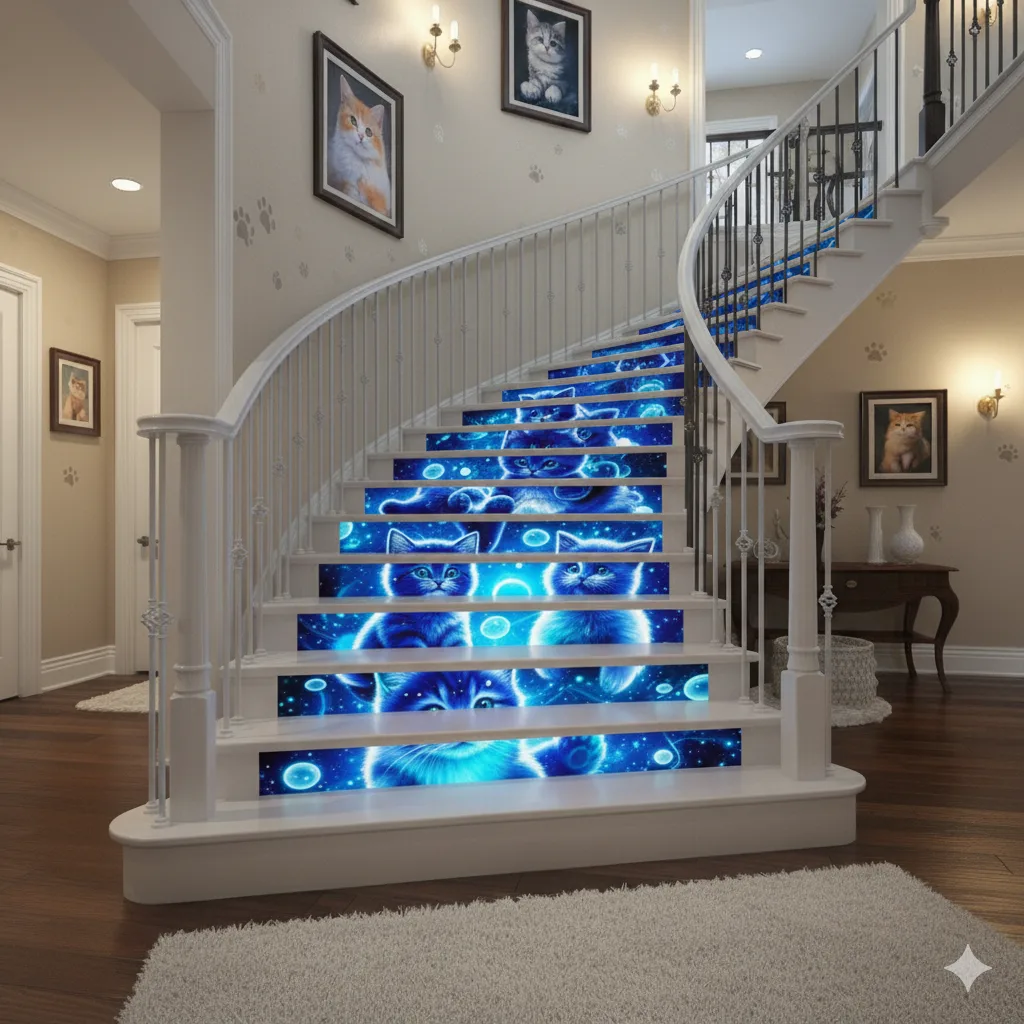

Cat Stairs have become an essential addition to modern pet homes. These staircases not only enhance the mobility of your feline but also contribute to their overall well-being. Whether your cat is young and energetic or older and experiencing mobility issues, cat stairs provide a safe, stylish, and practical solution that benefits both pet and owner. In this article, we explore the numerous benefits, usage tips, comparisons, and expert advice on choosing the perfect cat stairs for your beloved pet.
Understanding Cat Stairs and Their Advantages Cat stairs are specially designed structures that enable your feline to access high places with ease, reducing the strain on their joints and preventing injuries. They can be made from various materials like wood, foam, or carpeted fabric, tailored to match your home decor and your cat’s needs. Utilizing cat stairs improves your pet’s independence, encourages exercise, and minimizes the risk of accidents from jumping or falling.
The Essential Benefits of Cat Stairs for Your Feline Companion
Adopting cat stairs into your home creates a more comfortable and secure environment for your pet. These structures are especially advantageous for senior cats, disabled cats, or those with health issues that impair their mobility. Beyond the functional benefits, they also reflect your commitment to your pet’s comfort and safety.
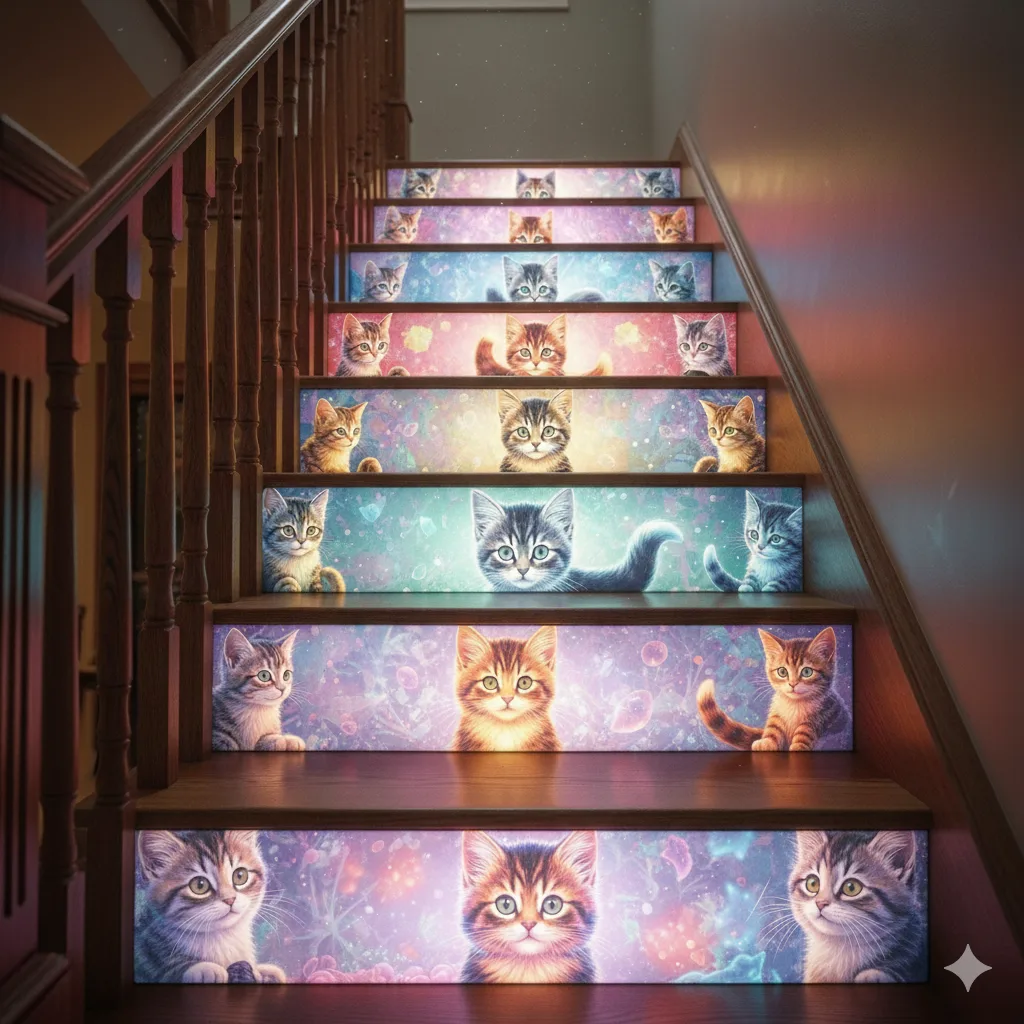
Supporting Aging Cats with Comfort and Safety As cats age, their joints and bones become less resilient, making high jumps or sudden climbs problematic. Cat stairs help facilitate their movement by providing an easier path to favorite spots like beds, windowsills, or furniture. This reduces frustration and prevents injuries caused by overexertion or awkward landings. An aging feline will appreciate the stability and reduced impact that cat stairs offer.
Using cat stairs promotes slow, controlled movement that prevents unnecessary strain on aging bones. They encourage independent exploration without risking falls, thereby maintaining your cat’s confidence and mental health. Investing in a good set of stairs demonstrates your dedication to their well-being, especially in their golden years.
Enhancing Play and Mental Stimulation For active cats, stairs are more than just a mobility aid—they serve as an engaging element of play. Many cats enjoy climbing, jumping, and exploring different levels within the home. Incorporating cat stairs into your environment creates opportunities for natural behaviors, which are vital for their mental stimulation and physical health.
Using cat stairs strategically near their favorite perch or window allows your pet to observe their surroundings and appreciate new viewpoints. It also encourages exercise, which helps prevent obesity and associated health issues. As a versatile addition to your home decor, cat stairs combine functionality with aesthetic appeal, demonstrating that safety and style can go hand in hand.
How to Use Cat Stairs Effectively—Tips and Best Practices
The proper usage of cat stairs ensures that your feline benefits fully from its features while minimizing potential hazards. Educating your cat to use the stairs confidently takes patience and positive reinforcement, but the benefits are well worth the effort.
Training Your Cat to Use Cat Stairs Most cats are naturally curious, but some may be hesitant or wary of new structures. To encourage usage, place treats, toys, or their favorite bedding near or on the stairs. Gently guide them to step onto the stairs and reward their behavior with praise and treats.
Consistency is key; place the stairs in the same location and make each session a positive experience. If your pet is reluctant, start with shorter or more stable stairs and gradually introduce higher or more complex models. Over time, your cat will associate the stairs with safe exploration and comfort.
Integrating Cat Stairs into Your Home Decor To maximize the benefits without compromising aesthetics, select stairs that match your interior style—be it modern, rustic, or traditional. Many products now come in sleek designs with plush fabrics or wood finishes to blend seamlessly with your furniture.
Placement is crucial: position stairs near the furniture or areas your cat frequents, like beds, sofas, or window sills. Ensure the stairs are stable and secure to prevent wobbling or slipping, which could discourage use or cause injury. Regular cleaning and maintenance extend their lifespan and keep them inviting for your feline.
Comparing Different Types of Cat Stairs – Which Is Right for Your Home?
With a multitude of options on the market, choosing the right cat stairs can be overwhelming. It’s important to consider their size, design, material, and your cat’s specific needs when making a selection. Here, we compare popular types to help you decide.
Foldable vs. Fixed Cat Stairs Foldable cat stairs are ideal for those with limited space or who want flexibility in their furniture arrangement. They can be easily stowed away when not in use, maintaining an uncluttered home environment. However, foldable models may compromise stability slightly if not properly locked into place.
Fixed stairs offer more stability and are often more durable, especially in high-traffic areas. They’re designed to hold the weight of active cats and are ideal for those who want a permanent, sturdy solution. Fixed stairs come in various sizes and styles, giving you more options to match your decor and your pet’s preferences.
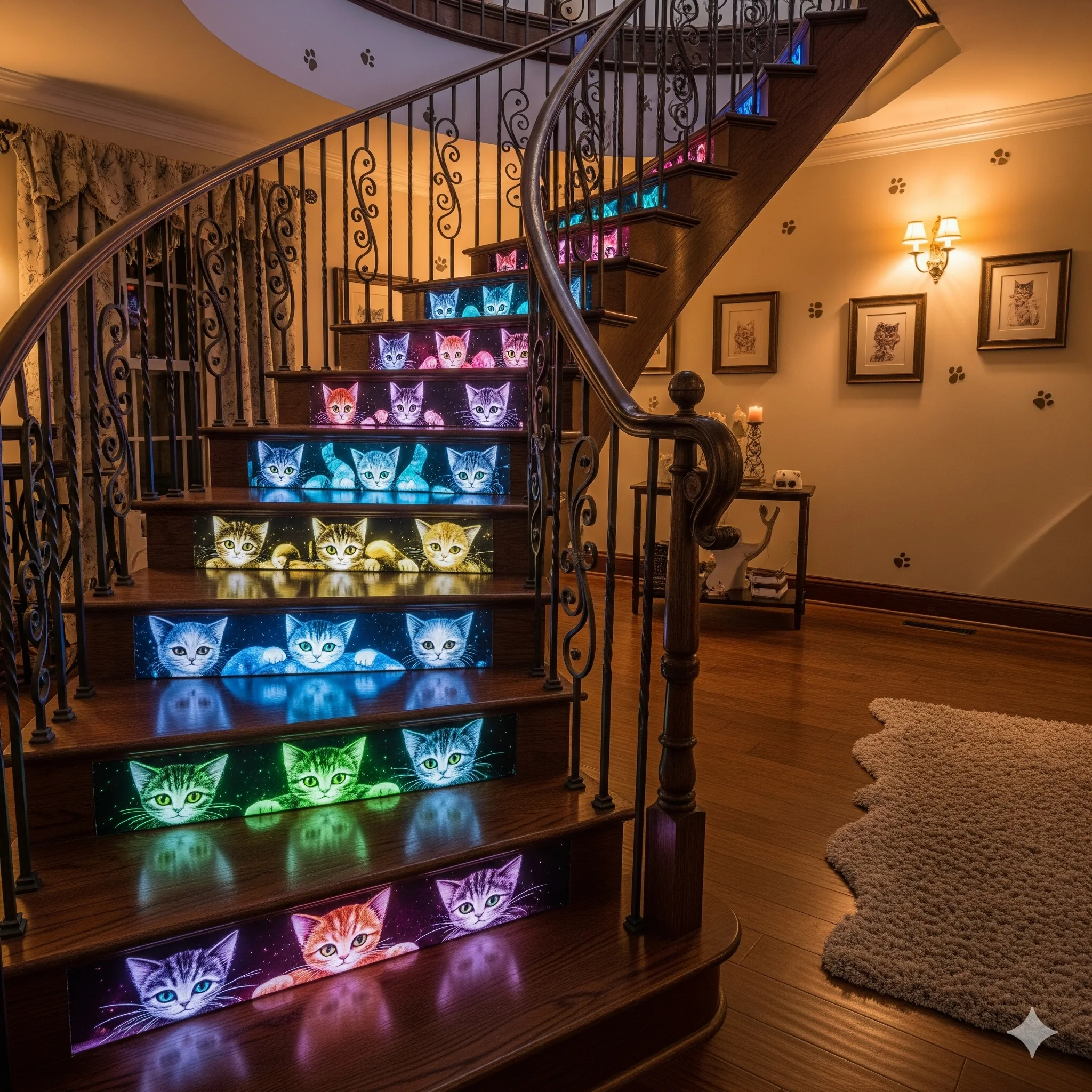
Material Choices and Their Impact The material of cat stairs impacts durability, comfort, and style. Wooden stairs are robust, elegant, and easy to clean, making them suitable for a refined home aesthetic. Carpeted stairs provide traction and soft landings, reducing joint stress during climbs and descents.
Foam or fabric models are lightweight and portable, perfect for temporary or multi-purpose use. However, they may wear out faster and require regular replacement or cleaning. Carefully consider your pet’s activity level and your home’s decor before choosing the ideal material for your cat stairs.
Expert Advice: Selecting, Maintaining, and Maximizing the Use of Cat Stairs
Choosing the right cat stairs is only the beginning. Proper installation, maintenance, and usage methods ensure longevity and effectiveness, keeping your feline safe and happy.
Choosing the Perfect Cat Stairs for Your Feline Evaluate your cat’s size, age, and mobility before selecting stairs. Larger or older cats may prefer wider, more stable steps with gentle inclines to reduce joint strain. Consider the height of the furniture your cat wishes to access, ensuring the stairs can bridge the gap comfortably.
Prioritize safety features such as non-slip surfaces and secure attachments to prevent accidents. Your choice should also complement your home’s interior, blending functionality with aesthetic appeal. Investing in quality ensures your pet’s safety and enhances your home decor simultaneously.
Maintaining and Cleaning Cat Stairs Regular maintenance is crucial to keep cat stairs safe and inviting. Check for loose screws, worn fabric, or damage that can compromise stability. Clean the surfaces frequently with gentle disinfectants to eliminate fur, dander, and fleas, thereby promoting your cat’s hygiene.
Deep cleaning or replacing parts of the stairs periodically prolongs their life. Consider adding scratching posts or additional padding to enhance comfort and durability. Well-maintained stairs contribute to a healthier environment and remain a beloved part of your pet’s routine.
Integrating cat stairs into your living space significantly enriches your pet’s quality of life by offering safer access to high places, encouraging exercise, and reducing accident risks. With thoughtful selection, proper training, and consistent maintenance, cat stairs can become a seamless and stylish extension of your home, fostering a happier, healthier feline life. Outstanding benefits such as increased independence and enhanced safety make cat stairs a smart investment for any dedicated pet owner.
The Benefits of Cat Stairs for Your Feline Friend
Cat stairs provide numerous benefits that enhance the overall well-being of your furry companion. From promoting exercise to ensuring safety, these structures can create a happier living environment for your pet. Understanding the myriad advantages of cat stairs will motivate you to consider incorporating them into your home.
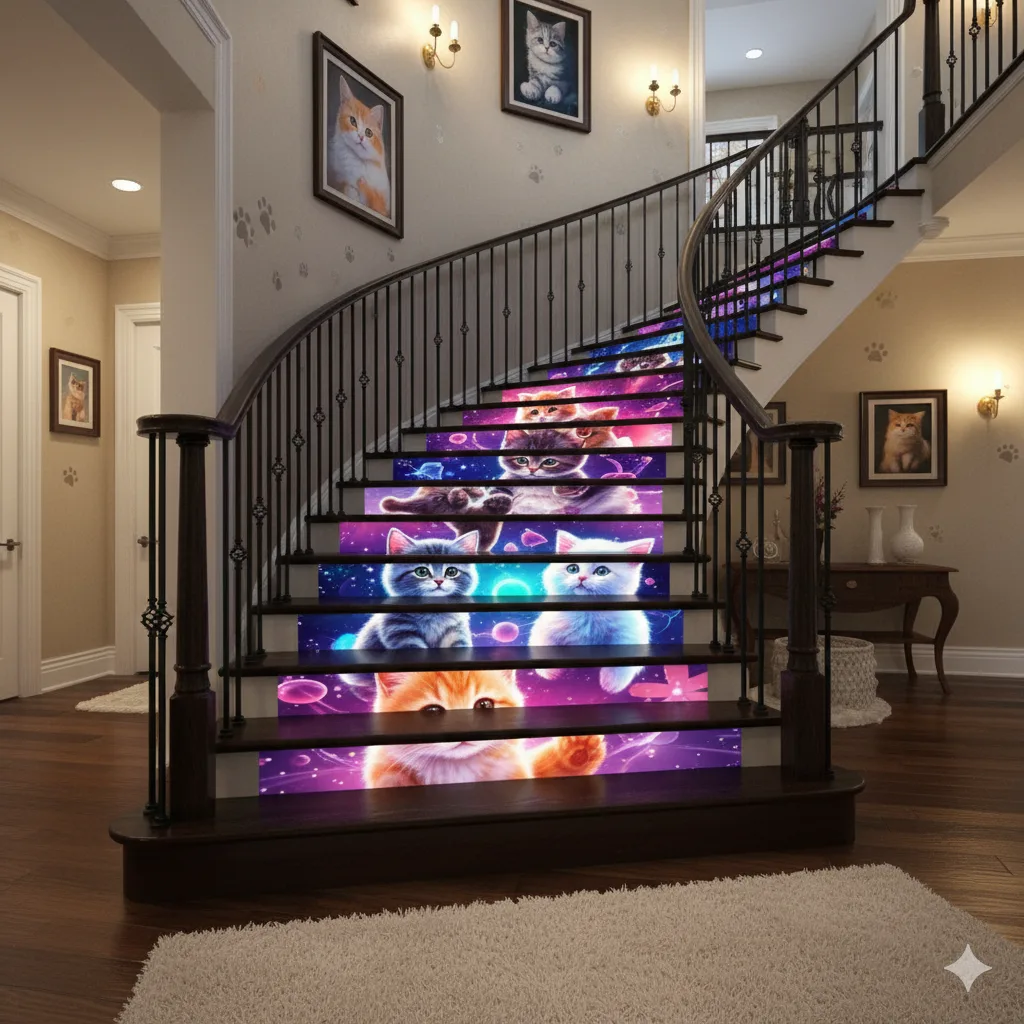
Improved Accessibility for Cats One of the primary benefits of cat stairs is improved accessibility to high places within your home. Cats are naturally inclined to explore their surroundings, including high furniture like shelves, beds, and window sills. Cat stairs facilitate this exploration, reducing the need for jumping, which can lead to injuries, especially in older or arthritic cats.
Additionally, cat stairs serve as a gentle means for your pet to access places that may seem intimidating to them. Not every cat has the confidence to leap high, and stairs provide a safe alternative. By creating routes that are easily navigable, you help your feline friend engage more comfortably with their environment.
Encouraging Exercise and Play Another advantage of cat stairs is their role in encouraging exercise. Cat stairs can transform everyday movement into a fun physical activity. By climbing and descending the stairs, your cat engages key muscle groups, honing their agility and coordination. This exercise is especially beneficial for indoor cats who might not have many opportunities for physical activity.
Inviting your cat to use the stairs can turn into a fun game if you have toys on each level or even indulge in playtime along the way up and down. As your furry friend develops a routine involving the stairs, they will become healthier and more energetic, positively impacting their overall well-being.
Selecting the Right Cat Stairs for Your Home Environment
When choosing cat stairs, it’s essential to reflect not only on your cat’s needs but also on the specific dynamics of your home environment. By taking the time to ensure you make the right selection, you will create an accommodating space for your feline companion while also considering the aesthetics of your living space.
Understanding Size and Height Requirements Before purchasing cat stairs, it’s critical to assess the height of the furniture your cat intends to use them for. Measure the distance from the ground to the desired landing spot, such as a couch or bed, and ensure the stairs can comfortably bridge that gap. This aspect is particularly important for older cats; they might prefer gentler slopes that ease strain on their joints.
Furthermore, the size of the steps should also cater to your cat’s size and breed. Larger breeds may require broader steps to ensure balanced footing, while smaller kittens might thrive in compact designs. Selecting the right dimensions guarantees your cat’s safety and enjoyable usage while maintaining structural integrity.
Design and Aesthetics Cat stairs come in a variety of designs, colors, and materials to blend seamlessly with your home decor. If your living space leans more towards a modern aesthetic, consider sleek wooden options or even minimalist fabrics. On the other hand, if your home has rustic or traditional elements, a classic design with soft carpet may be more pleasing visually.
When selecting your cat stairs, think about the overall theme of your home. You don’t have to sacrifice decor for functionality; instead, look for options that offer both. The right choice can enrich your living space while providing your cat with the comfort and support they need.
Maintenance Tips for Your Cat Stairs
Maintaining cat stairs is crucial for ensuring that they remain safe and functional over time. Regular upkeep will prolong their use and ensure they remain a comfortable option for your feline friend. Here are some effective ways to maintain their integrity and cleanliness.
Daily Inspection Routine It’s beneficial to establish a daily inspection routine for your cat stairs. Take a moment to check for signs of wear and tear, such as frayed edges or loose screws. If you notice anything amiss, address it immediately to prevent accidents. Ensuring that the stairs are in good condition supports your pet’s safety until the next inspection.
It’s also wise to observe your cat as they navigate the stairs. Signs of hesitance or difficulty may indicate the need for adjustments or a change in the type of stairs you’re using. Your pet’s behavior is a key indicator of whether the current setup is still suitable for their needs.
Cleaning and Maintenance Cleaning your cat stairs should ideally be part of a weekly routine. Dust, fur, and dander can accumulate quickly, potentially leading to allergies and health issues in your cat. Using a damp cloth to wipe down wooden stairs or vacuuming carpeted steps can significantly improve hygiene.
In addition, it’s good practice to sanitize your stairs with pet-safe cleaning solutions every few weeks. This ensures a clean environment for your cat while removing any lingering odors. Keeping a clean space will encourage your cat to utilize the stairs regularly, enhancing their experience.
Cat stairs are not merely functional; they serve as a gateway to greater independence, health, and exploration for your feline friend. By thoughtfully evaluating your needs and your cat’s comfort, you can select the ideal stairs, enhancing the accessibility of your living space without compromising on style. Through effective training and care, both you and your pet can enjoy the benefits of safely navigating your home, improving lifestyle and bonding opportunities for your beloved companion. These structures are a worthwhile addition to any pet-friendly household, promoting a safe, engaging, and aesthetically pleasing environment for both pets and owners alike.