
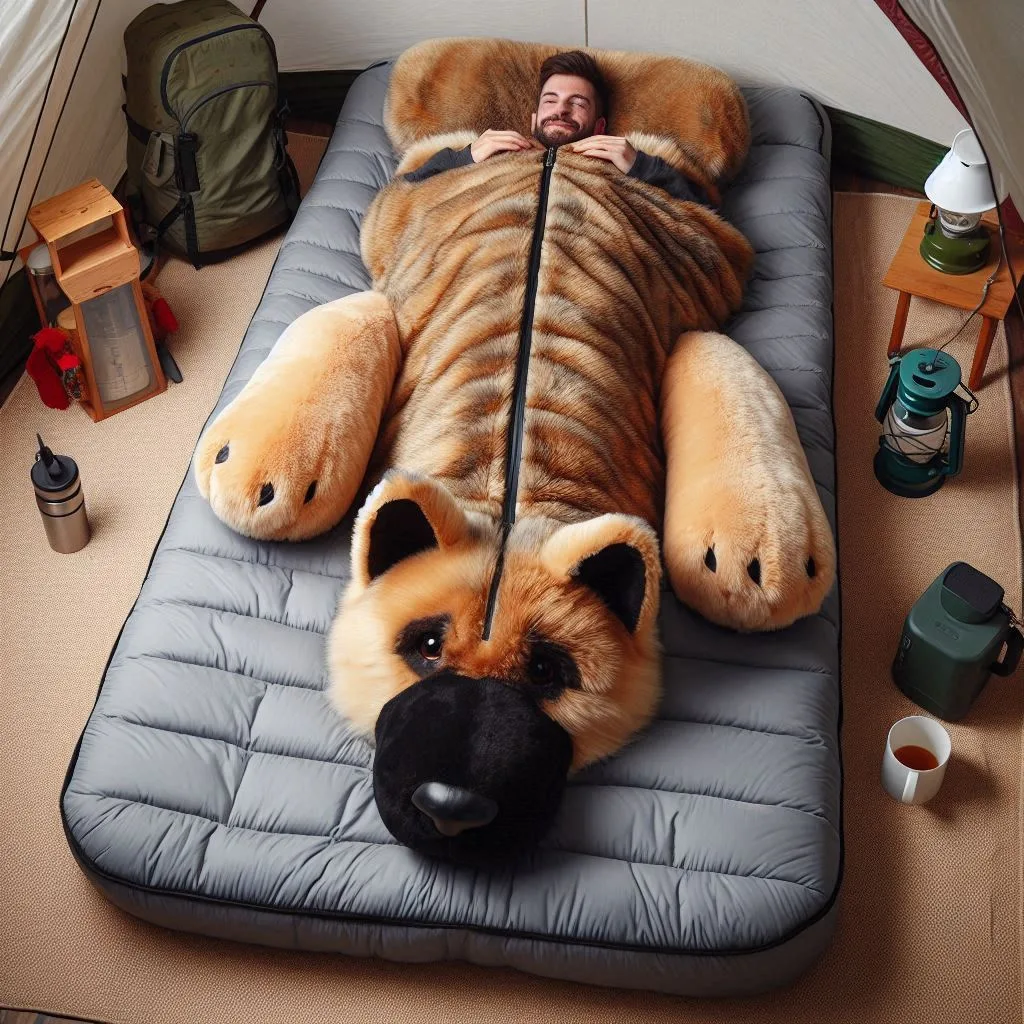
A dog sleeping bag can be an essential investment for pet owners who love to take their dogs on outdoor adventures or simply want to ensure their furry friend has a cozy spot to rest at home. Whether you’re camping, hiking, or just creating a comfortable corner in your house, a good-quality dog sleeping bag can make all the difference. This comprehensive guide will explore how to use a dog sleeping bag, offer examples, compare different types, and share expert tips for choosing the best one for your pooch’s needs.
Understanding the Importance of a Dog Sleeping Bag
Dogs, much like humans, require comfort and security during rest. A dog sleeping bag provides a dedicated space that offers insulation from cold, protection from dampness, and a sense of security in unfamiliar environments.
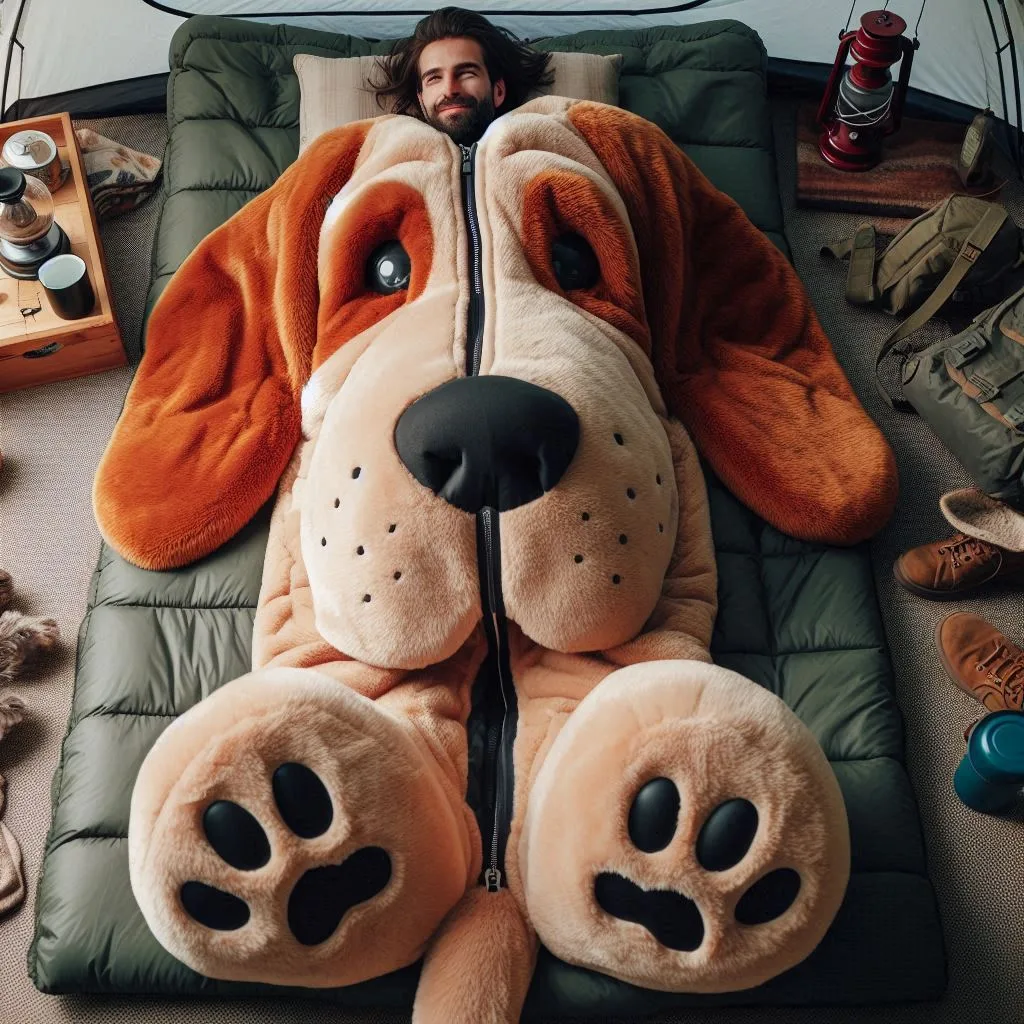
Having a dedicated sleeping bag for your dog not only enhances their comfort but also helps in managing hygiene by keeping them off the ground, away from dirt, mud, and pests. Moreover, for active dogs who love outdoor activities, a dog sleeping bag serves as their personal bed, making restful sleep attainable after intense play or long explorations.
When selecting a dog sleeping bag, it’s vital to consider your pet’s size, breed, and typical outdoor conditions. A well-chosen sleeping bag contributes to your dog’s overall well-being, especially in cold or damp climates.
How to Use a Dog Sleeping Bag Effectively
Using a dog sleeping bag properly can transform outdoor adventures and indoor living for your pet. Here’s a step-by-step guide to making the best use of this practical accessory:
Preparing the Sleeping Area
Before introducing a dog sleeping bag, ensure the area is clean and safe. Even for outdoor use, the ground should be clear of sharp objects or debris that could damage the fabric. For indoor use, choose a flat, quiet spot away from drafts and high-traffic zones.
Introducing Your Dog to the Sleeping Bag
Start by letting your dog sniff and explore the sleeping bag while it’s unzipped and laid flat. Use treats or praise to associate positive experiences with the new item. Gradually encourage your dog to climb inside, emphasizing comfort and security.

Ensuring Proper Fit and Comfort
As your dog becomes comfortable with the sleeping bag, ensure it fits well—neither too tight nor too loose. It should allow your dog to turn, stretch, and rest comfortably. For larger dogs or long-haired breeds, consider extra space or models with additional padding.
Maintenance and Care
Regular cleaning of the dog sleeping bag is essential, especially after outdoor adventures. Follow manufacturer instructions—most bags are machine washable or can be wiped clean. Proper maintenance extends the lifespan of the sleeping bag and ensures your dog’s hygiene.
Examples of When and Where to Use a Dog Sleeping Bag
Depending on your lifestyle, a dog sleeping bag can serve numerous purposes:
Camping and Hiking Adventures
For outdoor enthusiasts, a dog sleeping bag acts as a portable bed, protecting your dog from the cold ground and providing insulation during chilly nights. It’s especially useful in rugged terrains or when sleeping under the stars.

Indoor Cozy Corners
Even in a home or apartment, a dog sleeping bag offers a dedicated spot that makes your pet feel secure and relaxed. It’s perfect for dogs who prefer their own space or for puppies in training.
Traveling and Vet Visits
A lightweight, portable dog sleeping bag is convenient for travel, be it in cars, planes, or vet clinics. It helps keep your dog comfortable and reduces exposure to germs.
Show and Expo Events
For dog shows or competitions, a specially designed sleeping bag can provide a familiar resting place amid busy venues, reducing stress for your dog.
Comparing Types of Dog Sleeping Bags — Features & Benefits
Choosing among the various types of dog sleeping bags involves understanding their features and how they match your and your dog’s needs. Below is a comparison table highlighting key aspects.

| Feature | Insulated Sleeping Bags | Waterproof & Weatherproof Bags | Soft & Plush-lined Bags | Portable & Lightweight Bags |
|---|---|---|---|---|
| Best For | Cold climates, outdoor camping | Rainy weather, damp environments | Indoor use, comfort-focused dogs | Travel, quick outings |
| Insulation | High, provides warmth | Moderate, keeps dry | Variable, often extra soft | Low to moderate, easy to carry |
| Material | Thermal fabric, polyester | Waterproof nylon, coated fabric | Plush fleece, soft cotton | Lightweight nylon or mesh |
| Durability | Good for outdoor use | Excellent for wet conditions | Suitable mainly indoors | Excellent for portability |
| Price Range | Moderate to high | Moderate | Budget-friendly to moderate | Budget-friendly |
Tip: Combine features based on your specific needs. For instance, if you often camp in cold, wet climates, a waterproof, insulated dog sleeping bag provides the best protection.
Advises for Selecting and Maintaining a Dog Sleeping Bag
Making an informed choice can substantially enhance your dog’s comfort and your overall experience. Here are some expert tips:
Know Your Dog’s Size and Breed
Always choose a sleeping bag that fits your dog comfortably. Measure your dog’s length, width, and height, considering room for movement. Larger breeds or active dogs might require more spacious bags or those with extra padding.
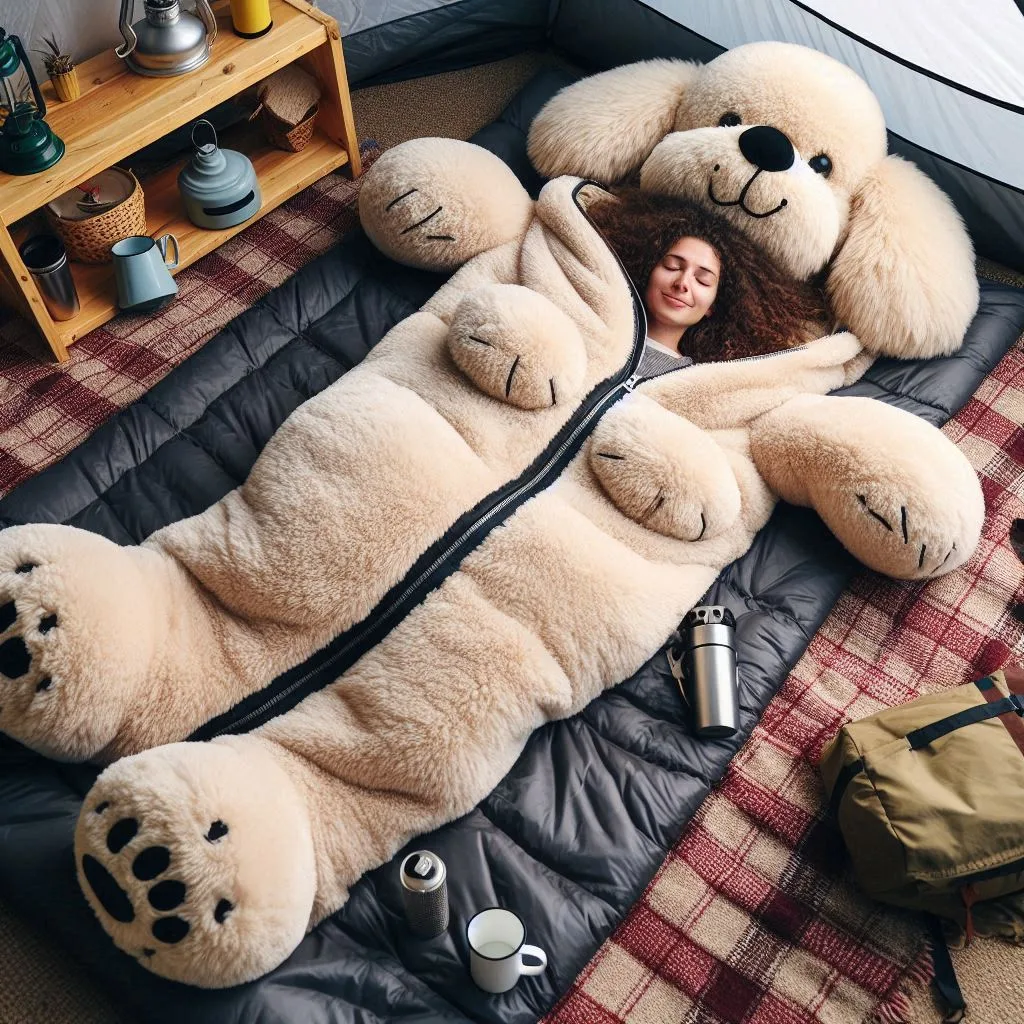
Consider the Environment
Determine whether the primary use is outdoor, indoor, or travel-related. This decision influences fabric choice, insulation level, and portability features. For harsh weather, prioritize waterproof and insulated options.
Prioritize Safety and Quality
Look for durable stitching, high-quality fabrics, and non-toxic materials. Avoid sleeping bags with loose threads or weak zippers that could pose safety risks.
Regular Cleaning and Inspection
Clean the sleeping bag regularly to prevent parasites, mold, or odors. Inspect for wear and tear, especially after outdoor trips, and replace when necessary.
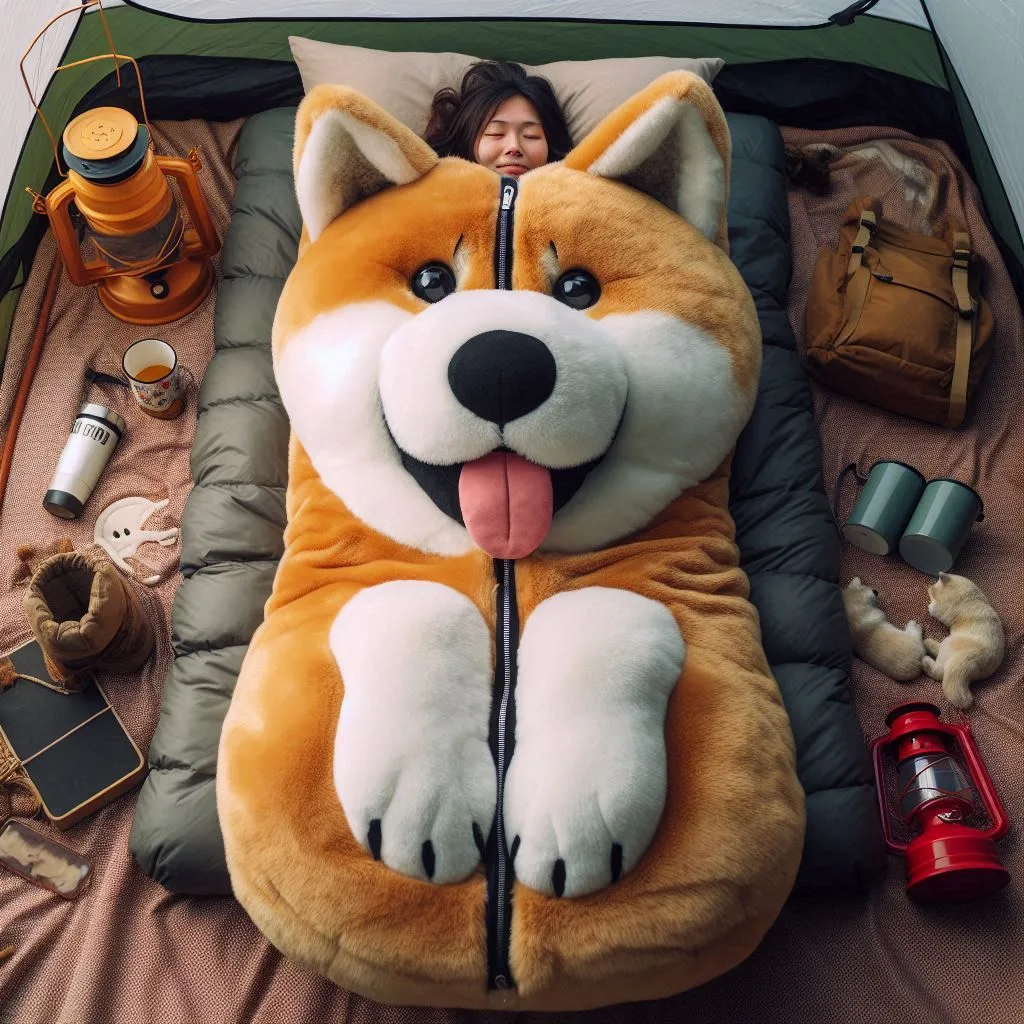
Match the Style to Your Pet’s Preferences
Some dogs prefer soft, plush linings, while others need rugged, durable fabrics. Observe your dog’s past behavior to select a bag aligned with their comfort preferences.
Conclusion
A dog sleeping bag is an invaluable accessory for pet owners who want to provide their furry friends with a cozy, safe resting environment wherever they go—whether outdoors during camping trips or indoors as a comfy retreat. By understanding its different types, proper usage, and maintenance tips, you can ensure your dog enjoys restful sleep and greater well-being, no matter the circumstances. Selecting the right sleeping bag tailored to your dog’s size, activity, and environment will make every adventure or quiet evening a delightful experience for both of you.