
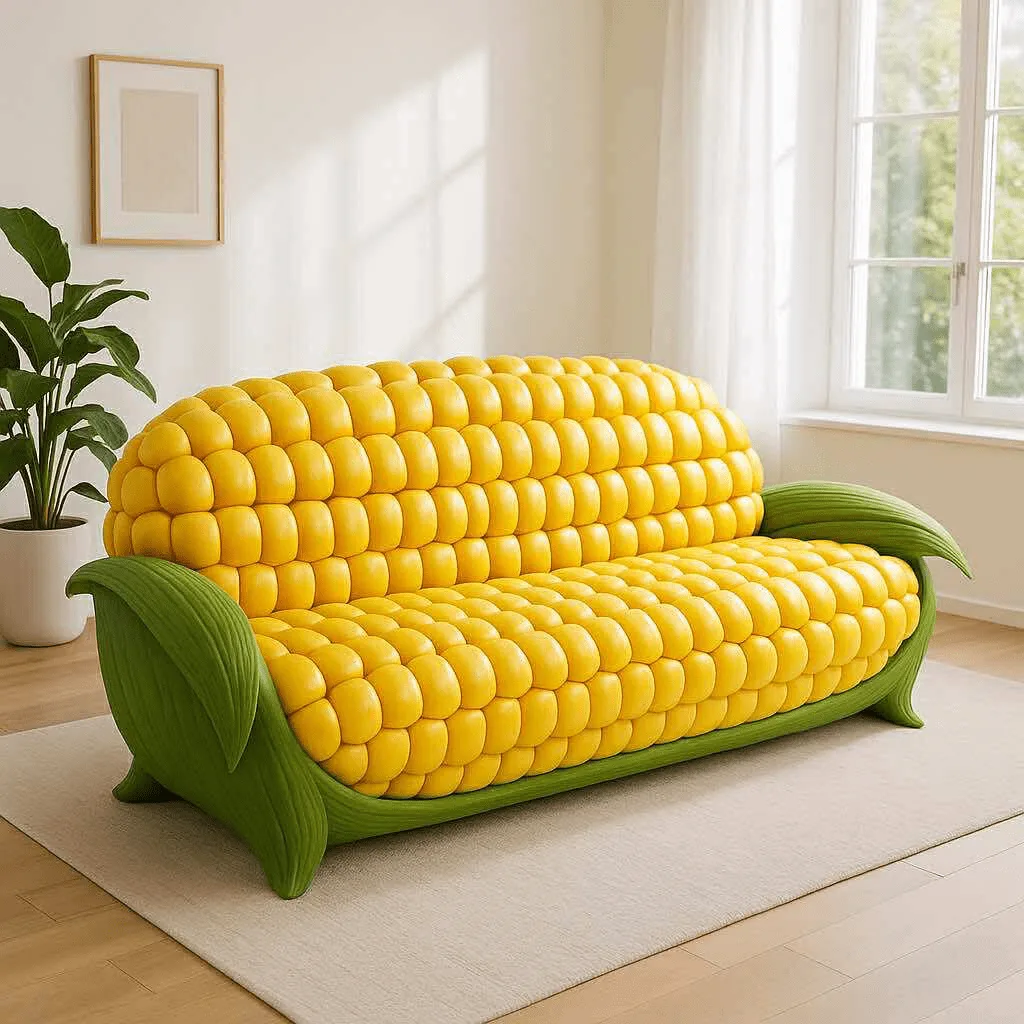
When Nature Meets Comfort
In an era where sustainability, creativity, and whimsy collide, interior design is no longer confined to traditional aesthetics. One of the most unexpected yet delightful trends to emerge is the rise of Vegetable Sofas — furniture pieces inspired by the shapes, textures, and colors of vegetables. From a plush pumpkin-shaped couch to a lettuce-inspired lounger, Vegetable Sofas are challenging our conventional understanding of home décor.
Far from being a fleeting novelty, these designs represent a broader movement in the world of interiors—where eco-consciousness, artistic expression, and playfulness converge. These couches are more than just bold furniture pieces; they’re conversation starters, artistic statements, and in some cases, symbols of our growing relationship with nature and food.
This article explores the rise of Vegetable Sofas, their cultural and design significance, and how they’re breathing new life into modern living spaces. We’ll look into their appeal, construction, uses, and how you can incorporate them into your own home.
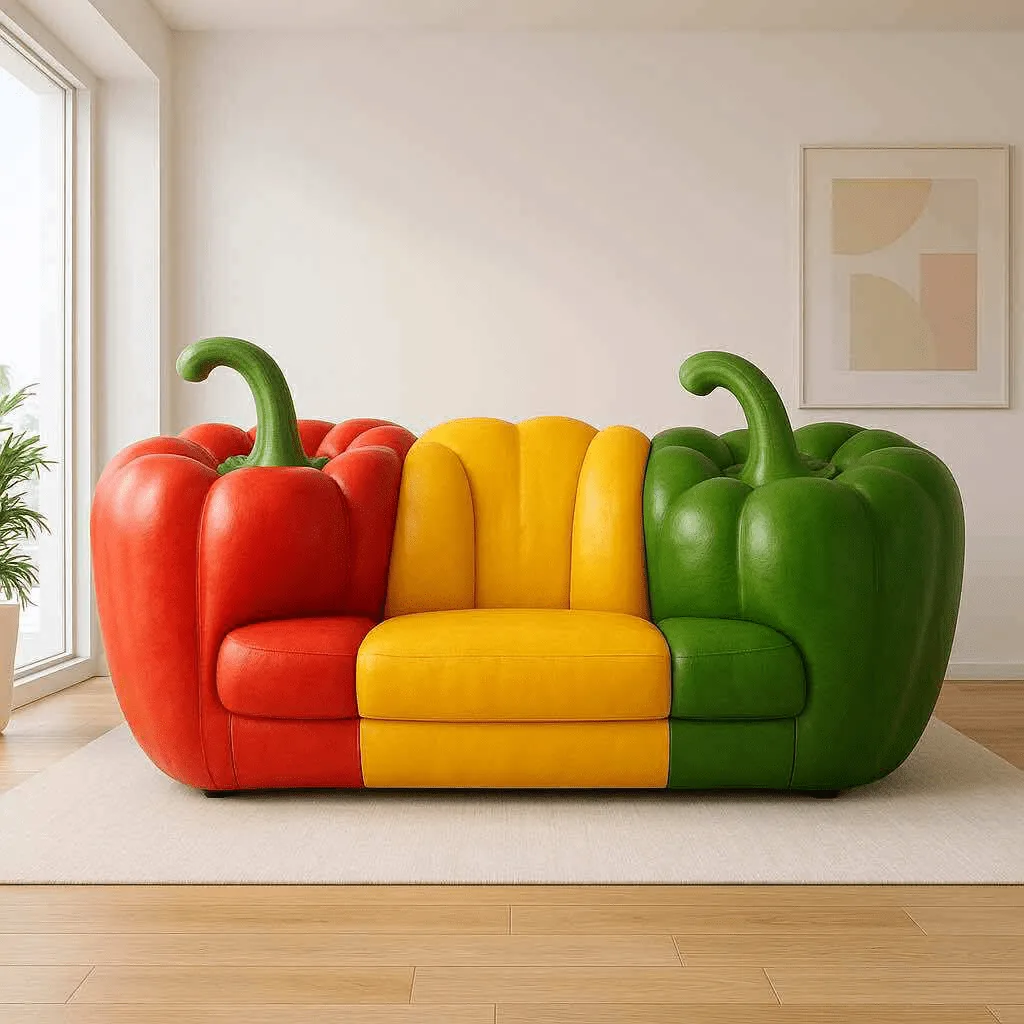
1. The Origins of Vegetable-Inspired Design
While furniture inspired by natural forms is nothing new, Vegetable Sofas take biomimicry to a more playful and literal level. The concept draws on the tradition of nature as a muse in art and design, tracing back to movements such as Art Nouveau, which incorporated organic shapes and flowing forms.
Designers today are taking it further—translating the recognizable forms of cabbages, carrots, pumpkins, and even broccoli into functional, comfortable seating. This approach offers both aesthetic innovation and cultural commentary. In a world increasingly disconnected from natural food sources, these designs subtly remind us of the earth, agriculture, and the nourishment vegetables provide.
This trend also coincides with the rise of “food as art” and the popularity of culinary aesthetics on platforms like Instagram and Pinterest. When food inspires not only meals but also interiors, the line between sustenance and style becomes deliciously blurred.
2. Why Vegetable Sofas Are Captivating the Design World
So why are Vegetable Sofas making such a splash in interior design? Here are several reasons:
a. Visual Playfulness and Whimsy
Vegetable sofas bring a sense of fun to a space. A lettuce-shaped couch immediately draws the eye and often elicits a smile. These pieces break the monotony of minimalist interiors and offer a refreshing burst of personality. They’re the antithesis of “safe” beige furniture.
b. Artistic Expression
Each Vegetable Sofa is a piece of art. Often handmade or custom-designed, these sofas showcase impressive craftsmanship. Whether it’s the curved ribs of a tomato or the layered texture of a cabbage leaf, the level of detail is a testament to the designer’s skill and imagination.
c. Conversation Starters
No one walks past a zucchini-inspired chaise without commenting on it. These sofas become focal points, drawing attention and opening conversations. In commercial spaces—cafes, lobbies, art galleries—they work as branding statements. In homes, they reflect the owner’s bold taste and creative flair.
d. Eco and Health Symbolism
Vegetables are universally recognized symbols of health, earth, and nourishment. A Vegetable Sofa can subtly reflect the values of wellness, sustainability, and a plant-based lifestyle. They resonate with consumers looking to align their living spaces with their personal ethics and aesthetic preferences.
3. Types of Vegetable Sofas: A Garden of Creativity
The diversity of designs in the Vegetable Sofas category is astounding. Each type brings its own vibe and design value to a space.
a. Pumpkin Sofas
One of the most iconic forms, pumpkin sofas are often round, plump, and made with velvet or suede for a rich, tactile experience. These sofas can be playful in bright orange or elegant in soft pastels like peach or blush.
Ideal for: Cozy reading corners, kids’ rooms, and artistic living spaces.
b. Lettuce Lounge Chairs
Lettuce sofas typically feature layered, leaf-like cushions that resemble a head of lettuce. Often made in fresh greens or whites, they evoke freshness and softness.
Ideal for: Wellness studios, sunrooms, and garden-inspired interiors.
c. Carrot or Zucchini Sectionals
These longer, more streamlined sofas mimic the shape of carrots or zucchinis. They offer a more subtle approach while still maintaining the vegetable motif.
Ideal for: Modern lofts or minimal spaces seeking a quirky accent.
d. Broccoli Modular Seating
Broccoli-inspired designs use bulbous, tufted upholstery to mirror the crown of the vegetable. Modular in nature, they offer flexibility while maintaining a fun shape.
Ideal for: Collaborative workspaces, libraries, and children’s zones.
e. Tomato and Pea Pod Poufs
While not full sofas, these elements pair well with larger pieces or serve as playful footstools or additional seating.
Ideal for: Adding finishing touches to eclectic rooms.
4. Materials and Craftsmanship
Creating Vegetable Sofas requires a balance between playful form and functional comfort. Most are made using high-density foam to achieve rounded or sculptural shapes, wrapped in soft upholstery materials such as:
- Velvet: Perfect for richness and vibrant color.
- Felt: Lightweight and ideal for defining soft organic edges.
- Cotton and Linen: Great for breathable, natural-looking finishes.
- Recycled Fabrics: Common in eco-conscious collections.
The internal frames often use wood or metal, depending on the durability required, especially for larger or modular vegetable forms. Some high-end designers even collaborate with 3D textile specialists and use hand-dyeing techniques to achieve gradient effects that mimic real vegetables.
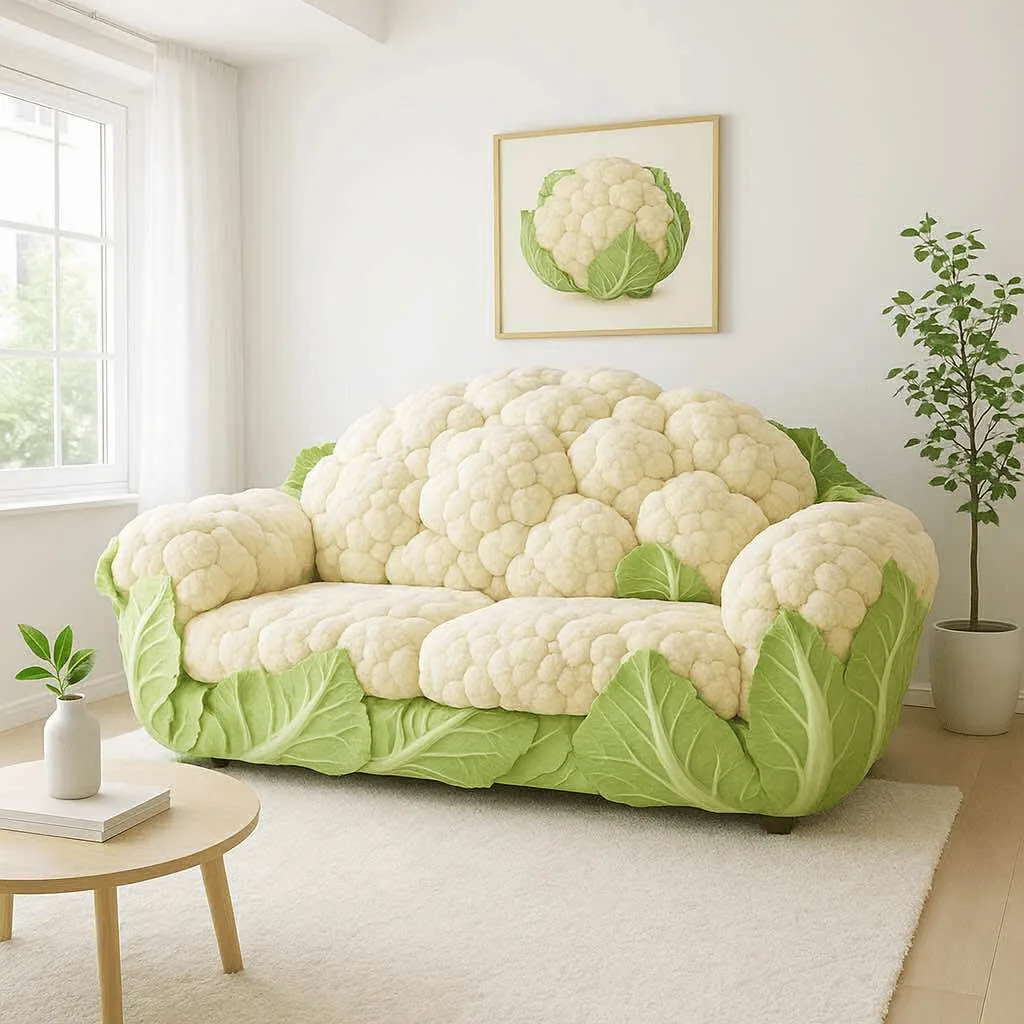
5. How to Style Your Space with Vegetable Sofas
While bold, Vegetable Sofas can still be integrated into stylish, functional interiors. Here’s how:
a. Keep the Palette Cohesive
If your sofa is bold (e.g., a bright orange pumpkin or vivid green lettuce), keep surrounding elements neutral or natural—think wood, cream, or beige. This lets the sofa shine without clashing.
b. Pair with Organic Elements
Use indoor plants, wooden furniture, or stone décor to support the natural theme. This creates harmony between the whimsical and the grounded.
c. Create Thematic Corners
Vegetable sofas work well in designated corners—reading nooks, play areas, or lounges. Keep it intentional by adding themed art or lighting.
d. Mix with Minimalism for Contrast
Surprisingly, vegetable sofas can elevate minimalist spaces. Their bold form contrasts beautifully with clean lines, adding interest and breaking visual monotony.
6. Vegetable Sofas in Public and Commercial Spaces
More than just residential novelties, Vegetable Sofas are making waves in public design:
- Cafés and Restaurants: Especially those with health-forward or farm-to-table concepts. A tomato pouf or lettuce chair reinforces the brand’s culinary narrative.
- Children’s Museums or Libraries: Bright, soft, and imaginative—ideal for engaging young minds.
- Boutique Hotels and Art Spaces: For clients seeking Instagrammable, experiential environments.
- Wellness Studios or Spas: Lettuce sofas and green bean loungers help create a calming, earth-friendly environment.
They help establish a distinct identity and set a tone that is warm, creative, and eco-aware.
7. The Deeper Message: Sustainability and Joy
While Vegetable Sofas may appear playful on the surface, many designers behind them have deeper intentions. They aim to foster:
a. Mindful Living
When your space includes a cabbage-shaped couch, it reminds you of growth, nature, and nourishment. It subtly calls for a slower, more mindful way of living.
b. Eco-Awareness
Many of these designs come from studios that emphasize sustainable sourcing, recycled materials, and low-waste production.
c. Reconnection with Nature
In urban living, where people are detached from farms and food sources, a vegetable-themed interior becomes a symbolic bridge. It reconnects us with the natural world, even while indoors.
Conclusion: The Future Is Green, Soft, and Inspired by Nature
Vegetable Sofas are more than a quirky design trend—they represent a shift in how we view comfort, creativity, and our connection to the world around us. These playful, imaginative pieces are part of a larger movement that values expression, sustainability, and nature in our living spaces.
Whether you choose a pumpkin pouf to liven up your studio or go all-in with a cabbage couch as the centerpiece of your living room, you’re embracing a design philosophy that values joy, originality, and earth-friendly living.
In a world that often takes itself too seriously, Vegetable Sofas offer a delightful reminder that home should be a place of warmth, comfort—and a little bit of fun.